
Bulletin of the ISPAN, No. 18: Sabourin, Dion, Latour, Lasaline: Archaeology in the Matheux
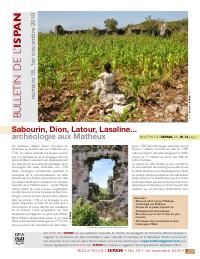
Summary: Coffee habitations in the Chaîne des Matheux, read against the export figures that explain them: Saint-Domingue shipped 7 million pounds of coffee to France in 1750 and roughly ten times that by 1789. The cover is the remains of the slave quarters at habitation Sabourin, at Délices.
Key Findings
- The bulletin links coffee-habitation archaeology in the Chaine des Matheux to Saint-Domingue's eighteenth-century coffee boom.
- It explains that coffee cultivation moved into mountain slopes and helped create prosperous agroindustrial units with domestic, production, agricultural and road components.
- The text connects the disruption of coffee plantations during the Saint-Domingue Revolution to migration toward eastern Cuba and the creation of Franco-Haitian coffee estates there.
- It highlights the UNESCO recognition of Cuban cafetales and Tumba Francesa as heritage rooted in that movement from Saint-Domingue.
- The issue documents Matheux sites such as Sabourin, Dion, Latour and Lasaline through ruins, elevations, areas and landscape setting.
- The post-earthquake chronicle records ISPAN identification seals in downtown Port-au-Prince and continuing work on Marche Hyppolite's restoration.
Full Description
Coffee habitations in the Chaîne des Matheux, read against the export figures that explain them: Saint-Domingue shipped 7 million pounds of coffee to France in 1750 and roughly ten times that by 1789. The cover is the remains of the slave quarters at habitation Sabourin, at Délices. One issue of the Bulletin de l'ISPAN, the monthly bulletin of Haiti's Institut de Sauvegarde du Patrimoine National, which ran from June 2009 to at least November 2011 and documented one monument, site or historic center per issue.
How to cite
Institute for the Protection of National Heritage (ISPAN), 2010, Bulletin of the ISPAN, No. 18: Sabourin, Dion, Latour, Lasaline: Archaeology in the Matheux, https://www.haiti.org/