Texte Intégral du Document
Texte extrait du document original pour l'indexation.
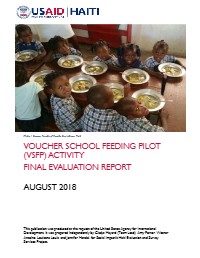
Photo 1 Source: Friends of Paradis des Indiens, Haiti
VOUCHER SCHOOL FEEDING PILOT
(VSFP) ACTIVITY
FINAL EVALU ATION REPORT
AUGUST 2018
This publication was produced at the request of the United States Agency for International
Development. It was prepared independently by Gladys Mayard (Team Lead), Amy Porter, Wesner
Antoine, Louisena Louis, and Jennifer Mandel, for Social Impact’s Haiti Evaluation and Survey
Services Project.
DISCLAIMER
The author’s views expressed in this publication do not necessarily reflect the views of the United States
Agency for International Development or the United States Government.
FINAL PERFORMANCE EVALUATION OF
VOUCHER SCHOOL FEEDING PILOT
(VSFP) ACTIVITY
FINAL EVALUATION REPORT
AUGUST 2018
Evaluation Mechanism Number: AID-521-C-17-00002
Haiti Evaluation and Survey Services for USAID/Haiti
USAID.GOV FINAL EVALUATION REPORT | i
ABSTRACT
The United States Agency for International Development (USAID)/Haiti Voucher School Feeding Pilot
(VSFP) Activity supports school canteens in Abricot providing two nutritionally balanced meals daily at
Fondation Paradis Des Indiens (FPDI) supported schools. This evaluation answers three evaluation
questions (EQs), regarding VSFP’s influence on parents’ school enrollment decision (EQ1), the probable
impacts of pilot discontinuity on enrollment (EQ2), and canteen sustainability after VSFP ends (EQ3).
The evaluation team (ET) conducted a desk review, 17 key informant interviews, and 25 focus group
discussions. Alongside school data on student enrollment, attendance, and performance, the ET used
these multiple data sources to analyze and draw findings, conclusions, and recommendations about
VSFP.
For EQ1, the evaluation concluded that school canteens are closely connected to parents’ decision to
enroll their children. Other motivating factors include low tuition and education quality. However, for
the most vulnerable, canteens factor significantly into families’ economic and livelihood decisions. For
EQ2, the ET concluded that the canteen has a clear impact on attendance. Whether or not a child eats
at school factors strongly into parents’ decisions about how frequently children go to school, and
motivates students to arrive before school, and stay throughout the day. Overall, the ET found that
school attendance frequency would decline if VSFP ends. For EQ3, stakeholders considered ways to
continue the school feeding activities after VSFP. FPDI is actively seeking support for VSFP’s
continuation, however, area families face difficult economic situations, limiting most community
stakeholders’ ability to materially contribute to ensure program continuity.
USAID.GOV FINAL EVALUATION REPORT | ii
TABLE OF CONTENTS
Abstract ................................................................................................................................................................................. i
Table of contents ............................................................................................................................................................... ii
List of tables and figures .................................................................................................................................................. iii
Acronyms............................................................................................................................................................................. v
Executive Summary ........................................................................................................................................................... 1
Activity Summary .......................................................................................................................................................... 1
Evaluation Purpose and Questions ........................................................................................................................... 1
Evaluation Design, Methods, and Challenges .......................................................................................................... 1
Findings and Conclusions ............................................................................................................................................ 1
Findings for EQ1 ....................................................................................................................................................... 1
ConclusionS for EQ1 ............................................................................................................................................... 2
Findings for EQ2 ....................................................................................................................................................... 3
Conclusions for EQ2 ............................................................................................................................................... 3
Findings for EQ3 ....................................................................................................................................................... 3
Conclusions for EQ3 ............................................................................................................................................... 5
Recommendations .................................................................................................................................................... 5
VSFP Activity Background................................................................................................................................................ 7
Activity Summary .......................................................................................................................................................... 7
Theory of Change ..................................................................................................................................................... 9
Evaluation Background ................................................................................................................................................... 10
Evaluation Purpose And audience ........................................................................................................................... 10
Evaluation Questions .................................................................................................................................................. 10
Evaluation Team and Support Structure................................................................................................................ 10
Evaluation Methods and Challenges ............................................................................................................................ 11
Phase One: Planning ................................................................................................................................................... 11
Phase Two: Field Data Collection ........................................................................................................................... 12
Key Informant Interviews ..................................................................................................................................... 12
Focus Group Discussions ..................................................................................................................................... 13
Phase Three: Data Processing and Analysis .......................................................................................................... 14
Challenges and Mitigation Strategies ...................................................................................................................... 15
Time and Geographical Challenges .................................................................................................................... 15
Behaviour Effect ...................................................................................................................................................... 15
Overlap in respondent categories ...................................................................................................................... 15
USAID.GOV FINAL EVALUATION REPORT | iii
Availability of Respondents .................................................................................................................................. 15
Findings and Conclusions ............................................................................................................................................... 16
EQ1: To What Extent was the Decision to Send Children to School Influenced by VSFP? ..................... 16
Findings ...................................................................................................................................................................... 16
Conclusions .............................................................................................................................................................. 19
EQ2: To What Extent Might the Frequency of School Attendance Change Once the Program Ends? 20
FINDINGS ................................................................................................................................................................ 20
Conclusions .............................................................................................................................................................. 22
EQ3: Have the VSFP stakeholders considered ways to continue the school feeding activities beyond
the pilot’s period of performance? .......................................................................................................................... 22
Findings ...................................................................................................................................................................... 22
Conclusions .............................................................................................................................................................. 24
Recommendations ........................................................................................................................................................... 25
Annexes ............................................................................................................................................................................. 27
Annex A: Evaluation Matrix ...................................................................................................................................... 28
Annex B: expected preliminary results .................................................................................................................. 30
Annex C: Documents consulted in Desk Review ............................................................................................... 31
Annex D: List of Schools ........................................................................................................................................... 32
Annex E: scope of work ........................................................................................................................................... 34
Evaluation Purpose and Questions .............................................................................................................................. 34
SUMMARY INFORMATION ........................................................................................................................................ 34
Description of the Problem and project background ............................................................................................. 34
EVALUATION QUESTIONS........................................................................................................................................ 35
EVALUATION DESIGN AND METHODOLOGY ................................................................................................. 35
DELIVERABLES AND REPORTING REQUIREMENTS ......................................................................................... 35
EVALUATION TEAM COMPOSITION .................................................................................................................... 36
EVALUATION SCHEDULE .......................................................................................................................................... 36
FINAL REPORT FORMAT ............................................................................................................................................ 37
CRITERIA TO ENSURE THE QUALITY OF THE EVALUATION REPORT ................................................... 37
Annex F: Evaluation Tools ........................................................................................................................................ 38
LIST OF TABLES AND FIGURES
Figure 1: Overview of the VSFP Activity ...................................................................................................................... 7
Figure 2: VSFP Theory of Change .................................................................................................................................. 9
USAID.GOV FINAL EVALUATION REPORT | iv
Figure 3: Data Collection Methods Used and Gender Breakdown ..................................................................... 12
Figure 4: Student Performance during Project Implementation ........................................................................... 18
Figure 5: Enrollment over the project life in sampled schools ............................................................................. 19
Figure 6: Attendance at VSFP Schools ........................................................................................................................ 20
USAID.GOV FINAL EVALUATION REPORT | v
ACRONYMS
ACRONYM MEANING
ASEC Assemblée des Sections Communales
CASEC Conseil Administration des Sections Communales
DPSNAS Documents de Politique et Stratégie Nationales d'Alimentation Scolaire
EQ Evaluation Question
ESS Evaluation and Survey Services
ET Evaluation Team
FGD Focus Group Discussion
FPDI Fondation Paradis des Indiens
GOH Government of Haiti
IFOS Institut de Formation du Sud
IR Intermediary Results
KII Key Informant Interview
MENFP Ministère de l'Education Nationale et de la Formation Professionnelle
NGO Non-Governmental Organization
PNCS Programme National Cantine Scolaire
PRRNU Plan Reduction des Risques Naturels en zone Urbaine
SI Social Impact
SOW Scope of Work
TL Team Leader
ToC Theory of Change
UNICEF United Nations International Children's Emergency Fund
USAID United Agency for International Development
VSFP Voucher School Feeding Pilot
WASH Water Sanitation and Hygiene
WFP World Food Program
USAID.GOV FINAL EVALUATION REPORT | 1
EXECUTIVE SUMMARY
ACTIVITY SUMMARY
The United States Agency for International Development (USAID)/Haiti financed the Voucher School
Feeding Pilot (VSFP) implemented by Fondation Paradis des Indiens (FPDI) under the contract amount of
1,767,145 US dollars to provide an alternative and improved approach to school feeding programs that
minimizes the burden on school staff, while ensuring that poor students are provided with a nutritious
snack and meal each school day.
EVALUATION PURPOSE A ND QUESTIONS
This final evaluation’s purpose is to inform future USAID/Haiti programing in school canteens.
Specifically, the evaluation assessed to what extent VSFP made or is on a path to making positive
contributions to students’ learning experience. The evaluation addressed the following evaluation
questions (EQ’s):
1.To what extent was the decision to send children to school influenced by the VSFP activity?
2.To what extent might the frequency of school attendance change once the program ends?
3.Have the VSFP stakeholders considered ways to continue the school feeding activities beyond
the program’s period of performance?
EVALUATION DESIGN, M ETHODS, AND CHALLENG ES
To ensure the reliability and validity of findings, the evaluation used qualitative data collection methods
to gather information from a diverse range of sources, providing strong evidence to answer the
evaluation questions (EQ). The design included a desk review, 25 focus group discussions (FGDs), and
17 key informant interviews (KIIs). Data collection occurred within targeted schools across four
communal sections of the municipality of Abricots. Seven out of nine schools operating the VSFP activity
were selected using convenience sampling. The ET recorded responses from 209 individuals (98 women
and 111 men). Respondents included key partners (FPDI), local governance authorities, Conseil de
d'Administration de la Section Communale (CASEC), Assemblée de la Section Communale (ASEC),
municipal officials; school staff (principals and teachers), local private food vendors, and parents.
The primarily qualitative evaluation design meant that limitations were expected; such as, interviewer
effects and the need to rely on informants’ availability and willingness to fully participate in KIIs and
FGDs. To mitigate these limitations, the Evaluation Team (ET) applied a variety of methods (i.e., desk
review; data on school enrollment, attendance, and performance; KIIs, and FGDs), to allow for data
triangulation collection through the coding and analysis process, which increased the reliability and
validity of findings, conclusions, and recommendations.
FINDINGS AND CONCLUS IONS
FINDINGS FOR EQ1
The ET found that school canteen presence contributes to parents’ motivation to enroll their children in
school. Teachers and school principals confirmed that parents are attracted to the school canteen,
stating that parents usually ask about the canteen while enrolling students. KIIs and FGDs with teachers,
school principals, and parents all cited the correlation between the school’s feeding program and
USAID.GOV FINAL EVALUATION REPORT | 2
parents’ decision to send their children to school. Substantiation of VSFP’s impact on enrollment
decisions comes from school enrollment data collected throughout VSFP’s life cycle. The ET also drew
on existing literature on VSFP to confirm the data collected during field work in Abricots. These
multiple data sources triangulate our key finding that the VSFP activity had a significant impact on
parents’ decision to send their children to school.
Most parents interviewed in this study suffer economically, especially since Hurricane Matthew. Even
knowing it is their duty to feed their children every morning before school, parents have limited
economic capacity since Mathew destroyed the commune resources. They are forced to make difficult
choices within their limited economic means.
From FGDs, the ET found that appreciation for canteen increases with the number of children that
parents have (up to four sometimes), and their poverty level. VSFP is well appreciated in this regard, and
these benefits affect parents’ decision-making in terms of their children’s enrollment in school. For
parents unable to feed their children, teachers and school directors described VSFP as being “like a gift
from heaven” and “a relief.” The effect of VSFP’s nutritious and assorted meal provisions was recognized
by many parents in their comments related to changes in their children’s health. Food quality has a
positive impact on children’s health, according to parents. When a child receives a nutritious meal, there
are positive outcomes in his or her health. Teachers and principals also reflected on VSFP’s contribution
to student health, which they associated with student learning.
It is important to note that the canteen was one of multiple reasons parents gave as to why they
decided to enroll their children in a VSFP school. The FPDI schools also did not require parents to
purchase school supplies (as other schools do) and charged fees that parents stated were lower than
those at other schools. Additionally, FPDI schools were understood by parents to be of good quality.
While teachers and school principals believe that school quality was parents’ primary motivation for
school enrollment decisions, parents emphasized that the food provision could not be separated from
quality education. To parents, food provision is a primary concern directly linked to any subsequent
assumptions of educational quality. To a lesser extent, school proximity and extracurricular activities
also factored into parents’ decision to enroll their children. These multiple factors must also be
considered in school enrollment decisions.
CONCLUSIONS FOR EQ1
The presence of a school canteen is closely connected to parents’ decision to enroll their children in
school. Following Hurricane Mathew, parents in Abricots became more vulnerable and expressed
appreciation for relief from the burden of feeding children before sending them to school. With the
program, students eat regularly during school days, which improves their learning experience and school
performance.
There are several advantages of a school canteen, which influence parents’ enrollment decisions. The
school canteen benefits parents, allowing them to save money on food, as well as students, allowing
them to be fed and have a better day in school. Indirectly, VSFP also benefits teachers, whose
classrooms are filled with more attentive students, and directors, who can proudly manage schools with
improved student performance.
School canteens are not the only factor that parents’ value when deciding to send their children to
school. Other important factors include low tuition fees and education quality. However, for the most
vulnerable parents, a school canteen factors significantly in their families’ economic and livelihood
decisions.
USAID.GOV FINAL EVALUATION REPORT | 3
FINDINGS FOR EQ2
Multiple pieces of evidence assert both the impact that VSFP had on student attendance (and timeliness)
and demonstrate how parents, teachers, principals, and others anticipate decreases in attendance
frequency at VSFP’s end. Teachers and school principals confirmed that with VSFP, variation in the
number of students attending class is greatly reduced. Regular attendance during VSFP is a marked
difference from school attendance frequency before VSFP and, as will be detailed below, difficult to
maintain without VSFP. As meals are served at a specific time, students arrive at school very early to
avoid missing the first meal. The parents reported that the school canteen not only motivated students
to go to school, but also to do so on time and stay for the anticipated second meal service.
Parents are typically forced to choose between school and domestic or agricultural labor for their
children. With VSFP, this equation shifts towards a preference for sending their children to school.
Without VSFP, parents react differently, generally negatively, to sending their children to school if they
will not be fed. Some parents reported that they would only send their children to school if food is
available. Teachers concurred that students would only attend school when their parents have a way to
feed them. Some male parents also reflected that without the assurance of food being provided, they
would send their children to school irregularly. Finally, and relatedly, children’s health is expected to
suffer if they are not able to receive food at school. This presents a cycle in which not having access to
nutritious food increases the likelihood of a variety of illnesses, which, in turn, makes it less likely that a
child (who is suffering) will attend school. Respondents described illnesses related to malnutrition
suffered by their children prior to VSFP and anticipate these conditions may return if VSFP ends.
CONCLUSIONS FOR EQ2
The canteen has a clear impact on attendance. It is a strong motivational factor for parents to send their
children to school and for students to attend school on time and for the full duration. Overall, the ET
found that school attendance frequency would decline if VSFP were to end. Additionally, benefits of
timeliness, better student health, and academic improvements were expected to revert to their prior
status. If the canteen ends, attendance frequency will be reduced, as parents may not send children to
school on a regular basis and keep them home to help with domestic work or agricultural labor.
Students’ performance at school will decrease and fewer students will advance to the next grade level.
The ET concludes that there will be a significant decrease in school attendance frequency with VSFP’s
end.
FINDINGS FOR EQ3
The ET found that while FPDI leadership had successfully collaborated with international donors to
ensure that the school feeding activity would continue, other stakeholders within the Abricots
commune were not sure how to maintain the program: 21/25 FGDs with parents, teachers, vendors,
and canteen supervisors found that stakeholders have not considered continuing school feeding activities
beyond the program. At the time of fieldwork and analysis, the means to sustain VSFP beyond the
period of performance was highly uncertain among those in the Abricots commune.
The lack of action among parents, local authorities, teachers, and others reflects the current socio-
economic situation in Abricots, rather than disinterest in seeing the program continue. Life in Abricots is
very difficult, having worsened with Hurricane Mathew’s passage. The economic challenges respondents
raised that led the ET to conclude that VSFP strongly impacts parents’ decision to send their children to
school, and school attendance frequency, also means that parents and local community actors are
generally unable to sustain VSFP without external support. Various stakeholders reflected on their
capacity to support the Activity’s continuation and their suggestions for maintaining the program:
USAID.GOV FINAL EVALUATION REPORT | 4
PARENTS
While both male and female parents noted a willingness to support the program, offering, for example,
to provide products from their own gardens, they also emphasized that they had little themselves and
were materially unable to support the program.
FPDI
FPDI officials think that parents should work with them to see how to continue the program, due to the
activity’s importance and impact on children’s education. Officials added that they also plan to contact
various foundation partners, to see what other strategies they might be able to adopt to allow them to
continue the meal program at its current level (a snack and a meal each school day).
Securing FPDI partnerships outside the community
Negotiations and activities intended to ensure continued program funding from outside the Abricots
commune were undertaken by FPDI leadership, USAID, and several international donor organizations.
The ET learned about these activities through USAID: stakeholders in the Abricots commune either did
not know about, or chose not to disclose, these potential funding sources to the ET. After fieldwork
and analysis, the ET learned from USAID that efforts to engage actors outside the Abricots community
had been successful. FPDI received funds from Swiss NGO HEKS-EPER, to support its nine schools from
February 2019 to June 2020. USAID will support a no cost extension bridge funding for FPDI school
feeding activities through fall 2018, so that there will be no gap in services for students served by the
school feeding activity. Additionally, HEKS-EPER will finance school feeding programs following the VSFP
activity model in 16 remote localities across the communes of Jérémie and Roseaux, in addition to FPDI
schools in the Abricots commune.
SCHOOL PERSONNEL
School personnel such as teachers, principals, and canteen supervisors declared that they could do
nothing to materially support the Activity’s continuation. The ET also found that improving program
sustainability will require that key stakeholders, including teachers, feel that their interests are being
considered within the school feeding program’s design.
CATERERS
In line with other stakeholders’ comments, caterers believe that the activity is important and has
contributed greatly to relieving the parents’ heavy burden and helping children progress in school.
However, food vendors felt that local actors should not be relied upon to make this activity permanent.
LOCAL AUTHORITIES
Abricots’ local authorities shared parents’ and food vendors’ opinions as well. The only way for them to
contribute to the activity’s sustainability is by offering technical support, such as advice during meetings
aimed at highlighting new strategies to be adopted in VSFP.
SUSTAINABILITY THROUGH IMPROVED EFFICIENCIES
Parents and school officials noted that strengthening food distribution supervision, possibly through a
committee of parents, students, teachers, and school directors would help to improve the current VSFP.
Their responses point to potential inefficiencies in the pilot’s existing operational structure that could be
resolved to reduce costs – making the program sustainable with lower funding requirements. Improving
efficiencies might also increase stakeholder support for the activity, especially among teachers who
seemed, at times, displeased at being left out of the pilot’s design and implementation. Multiple
stakeholders suggested that raising awareness about VSFP and sharing successes with parents,
agriculture producers, and the local community was also a potential way to build support for this type of
activity.
USAID.GOV FINAL EVALUATION REPORT | 5
CONCLUSIONS FOR EQ3
Based on the above findings, FPDI staff, with the support of actors outside Abricot, including USAID and
Swiss NGO HEKS_EPER were able to ensure that school feeding activities would continue beyond the
pilot’s period of performance. However, Abricots commune members with whom the ET conducted
research did not disclose or make statements to indicate that they were aware of the high-level efforts
undertaken by USAID to secure funding from outside the commune. Financial support from outside the
commune was critical, as other stakeholders within the Abricots commune believed that the difficult
economic situation that families in the area were facing would not allow them to contribute to the
continuation of the activity.
RECOMMENDATIONS
To build upon gains, address the shortcomings of VSFP performance, and ensure sustainability, the ET
offers the following three recommendations:
First, considering the successes of VSFP in Abricots, per the conclusions related to EQ1 and EQ2, the
ET recommends that VSFP be continued in Abricots and possibly expanded to the Grande Anse and/or
South departments. These neighboring communities, with similar demographics, would also benefit from
this type of school canteen program. Hurricane Mathew exacerbated parents’ vulnerability in the
Grande Anse and South departments, and they, like those in Abricots, are still in recovery mode.
Specific recommendations on how to continue the program include:
• USAID and others considering new or ongoing investment in school feeding programs should
take into consideration EQ3 findings and conclusions regarding stakeholder engagement. While
this pilot endeavored to reduce the burden on school staff, the result was that some (i.e.
teachers) expressed frustration with being left out of the design and implementation of an
activity, which was so closely connected to their responsibilities for the students in their
classrooms.
• EQ3 conclusions also noted potential areas for improving efficiencies and partnering to improve
on the activity (e.g., sharing successes broadly within the local community and potential
partnerships based on the program’s use of clean energy for food production). The ET learned
that such activities had been introduced shortly before and after fieldwork and analysis for this
report. For example, promotional efforts, including site visits to FPDI schools, attended by a
variety of national and international actors, including the World Food Programme, elevated the
visibility of the VSFP activity, which ultimately secured financial support for the activity beyond
the pilot period of performance.
• School feeding programs benefit all students, and play a significant role in students’ food security,
especially among vulnerable parents with multiple children. School feeding programs should
target vulnerable parents, who are most in need of a school canteen, to amplify the activity’s
impact. This could be done by identifying schools in the most vulnerable areas and targeting
those that are not at capacity, as the ET found that schools with canteens in Abricots
experienced increased student enrollments. While finalizing the report, the ET learned that the
project will be continued, with donor support (detailed below), under revised guidelines that
cover all fees for very vulnerable parents (20-30% of parents) who cannot afford to pay for the
canteen.
USAID.GOV FINAL EVALUATION REPORT | 6
• Continuing to work alongside the Programme Nationale de Cantines Scolaire (PNCS) will help
to ensure that school feeding programs benefit local school communities across Haiti, and could
be a strategy for sustainably expanding VSFP activities in the region more systematically.
Second, given that school canteens were one of multiple factors parents considered in their decision to
enroll children in school, the ET recommends considering interventions that touch on the multiple
factors that influence enrollment.
• The ET encourages future programming to consider additional benefits that would increase
enrollment and attendance such as school materials (e.g. textbooks) and charging a low (or
scaled) tuition rate. These additional advantages would make schools even more attractive to
parents. Future programming could tailor support to schools based on neighborhoods’ and
families’ vulnerability to maximize student attendance and performance.
Third, VSFP has made notable positive impacts in the Abricots commune. However, the program’s
forecasted closure was a source of concern among the local community whose limited means are not
positioned to maintain the program without external support. Because of this, the ET recommends that
greater emphasis on sustainability be integrated into school feeding programs at their inception.
• Given the inability of the local community to financially support VSFP’s continuation beyond the
pilot, future school feeding pilots should consider developing a sustainability plan and/or an exit
strategy. As part of such a plan, partnerships and linkages to organizations that could increase
the local capacity, efficacy, and quality of VSFP services should be identified and engaged from
the pilot’s start. Even if pilots were not continued, these actions would positively stimulate
community support and engagement, increasing the likelihood of successful implementation and
sustainability beyond the pilot period.
• Positively, the ET learned that FPDI received funds from Swiss NGO HEKS-EPER to support the
continuation of its school feeding program from February 2019 to June 2020. USAID will
support a no cost extension bridge funding for FPDI school feeding activities through fall 2018.
The ET welcomes this support, which aligns with its recommendation to continue the pilot
model, which at this point requires financial support from outside the Abricots commune.
Additionally, news that HEKS-EPER will finance school feeding programs following the VSFP
activity model in 16 remote localities across the communes of Jérémie and Roseaux, in addition
to Abricots, aligns with the ET’s recommendation to consider expanding the program to
neighboring vulnerable communities.
USAID.GOV FINAL EVALUATION REPORT | 7
VOUCHER SCHOOL FEEDI NG PILOT ACTIVITY BACKGROUND
ACTIVITY SUMMARY
Figure 1: Overview of the VSFP Activity
To offer an alternative and improved approach to providing poor students with access to nutritious
snacks and meals at school, the United States Agency for International Development (USAID) financed
the Voucher School Feeding Pilot (VSFP) activity implemented by Fondation Paradis Des Indiens (FPDI)
under the contract Amount: $1,767,145 USD, which was awarded with a period of performance from
October 2015 to September 2018. VSFP, with support from the Government of Haiti (GOH), seeks to
establish a safety net that builds demand for locally produced foods. This is done by building linkages and
coherence with the Feed the Future initiative’s agricultural production activities. By institutionalizing a
safety net system that recognizes and embraces GOH leadership and creates a platform for multi-donor
investments, VSFP played an important cross-sectoral role in supporting rural Haitian communities.
VSFP incorporated USAID forward principles in an innovative manner that forged non-traditional
relationships with local partners, linked current social safety net programming gains, and integrated past
learning in a novel design approach.
School feeding is particularly important for the Haitian Government because it is located at the
intersection of two of the nation’s economic and social development priority sectors: education and
agriculture.
1 Defining a national school feeding policy is a sine qua non to unlocking the potential of both
these sectors.
1
Programme National De Cantine Scolaire (PNCS), Document de Politique et de Stratégie Nationales d’Alimentation Scolaire
(DPSNAS)- Janvier 2016 ; Ministère de l’Education Nationale et de la Formation Professionnelle (MENFP)
USAID.GOV FINAL EVALUATION REPORT | 8
The GOH recognizes school feeding as a top priority. Evidence of its prioritization is realized in the fact
that the national school feeding program, Programme Nationale de Cantines Scolaire (PNCS), the
Haitian Government’s implementation and oversight body for school feeding, receives an annual budget
allocation of approximately eight million US dollars from the Haitian Treasury.
2 The fact that the
government allocates resources to the PNCS sends a strong signal of political will and commitment to
school feeding programs.
The PNCS, which is supposed to have the capacity to coordinate and plan overall school feeding efforts,
as well as to take the lead in the implementation of a national program as the “national coordination
body” has no rules or regulations that mandate its status. As a result, there are significant variations
from year to year in the numbers of school children who access school meals and there are no targeting
criteria established regarding school selection, nor are there standards related to the quality, diversity,
regularity, or timeliness of meals.
Per national policies and priorities, the PNCS’ mandate is rooted in education, welfare, and agriculture-
related objectives. Its objectives include: an intention to reach the greatest number of school children in
the country, to increase the capacity of the government to manage and implement the program
independently, and to increase the amount of local agricultural production purchased for the program.
With the direct support received by PNCS, the number of children receiving meals in schools varies
from year to year, falling between 600,000 and 1.1 million children, out of an estimated 2.3 million
school aged children.
3
School feeding programs do not generally procure commodities in bulk, instead sourcing from local
markets and relying heavily on imported in-kind food aid. Although school feeding programs are
implemented throughout the world in both developed and developing countries, Haiti’s requires an
approach that is tailored to its educational context. Several factors, described below, necessitate a
unique approach.
As noted above, although PNCS is seen as the “national coordination body,” there are no rules or
regulations that mandate PNCS’ status, nor are there regulations or legislation framing the way school
feeding programs are implemented.
Most schools are private/non-public with widely differing standards, norms, and education quality.
Despite the presence of PNCS, most of Haiti’s school meal programs are Non-Governmental
Organization (NGO)/donor/international organization financed and implemented.
Thus, school feeding activities include many implementers, each with their own objectives and rationales
for school feeding programs, with no overarching national system of management or oversight.
VSFP worked with PNCS to test the design of a developed approach, taking Haiti’s low education quality
and overwhelmed teachers and school administrative personnel into consideration. The pilot eliminated
the direct role of school personnel, including school directors and teachers, in commodity
transportation and storage and in the preparation and delivery of meals. Private food preparers handled
meal preparation in the targeted communities (traditionally, mostly women have this role) outside of the
school and the prepared cost-effective meals were delivered to schools daily in the morning around 7:30
2 Voucher School Feeding Program, Project Design; USAID 2014
3
Document de Politique et Stratégie Nationales d’Alimentation Scolaire (DPSNAS), Ministère de l’Education Nationale et de la
Formation Professionnelle (MENFP), 2016
USAID.GOV FINAL EVALUATION REPORT | 9
am and 11:30 am. Overall management of the transportation, storage, preparation, and delivery of meals
to the schools was, therefore, part of the contracted food preparer’s responsibilities, as was the case for
any restaurant or caterer. By removing this role from the school and placing it in the hands of existing
community food preparers, the pilot relieved the burden of managing these processes from the school,
while increasing and improving local community food preparers’ business opportunities.
The contracted caterers, who prepared meals using fresh local products, received basic training in
hygiene, nutrition, conservative energy (improved cook stove), micro-entrepreneurship and water,
sanitation, and hygiene (WASH). They were community members, small restaurant owners, or street
vendors in the targeted schools’ neighborhoods
Figure 2: VSFP Theory of Change
Contracted food vendors prepared and delivered daily meals to schools. Students ate a snack early in
the morning and a hot meal over their lunch break. The project reached 2,350 students and 40 local
food providers in 10 beneficiary schools in the commune of Abricots, department of Grand’Anse, Haiti.
THEORY OF CHANGE
The VSFP Theory of Change (ToC) posited that contracting local private vendors and training them on
how to prepare and hygienically serve nutritious and balanced meals to school children would lead to
school children consuming two nutritious meals per school day. In doing so, VSFP lead to improve
student learning outcomes as students were enrolled in school and attended with greater frequency.
VSFP operationalized this ToC through two Intermediate Results (IRs):
1. Ensure students have access to two meals each school day
2. Improve the nutritional quality of students’ meals
As part of its effort to increase school attendance and improve achievements in the 10 VSFP schools in
the targeted communes of Abricots, the pilot activity approached school feeding as a safety net activity.
In addition, this pilot focused on reinforcing the linkages between the private-sector food providers and
USAID.GOV FINAL EVALUATION REPORT | 10
the schools to reduce the operational burden that has fallen to school staff other school feeding
programs.
In the emergency resulting from the aftermath of Hurricane Matthew, VSFP’s strategy was reviewed and
adapted to the operating context. The local food service providers were given tools and financial
resources from USAID, delivered through the implementing partner Cooperative for Assistance and
Relief Everywhere, to provide meals to the entire community, as all members of the community were in
severe need after the region was destroyed by Hurricane Matthew. The local private food vendors were
directed to support the community with community-wide food distributions from the time of the
hurricane (September 2016), during which time the VSFP schools were used as community shelters.
EVALUATION BACKGROUN D
EVALUATION PURPOSE AND AUDIENCE
At the request of USAID, the Haiti Evaluation and Survey Services (ESS) project conducted the final
performance evaluation of VSFP.
The purpose of this final evaluation was to inform future USAID programs based on lessons learned.
Specifically, the evaluation assessed to what extent VSFP made or is on a path to making positive
contributions to students’ learning experience. The evaluation results are intended to inform USAID and
implementers’ programs within the education sector in Haiti.
The primary stakeholder for this evaluation is USAID/Haiti. As appropriate, the results may be shared
with other stakeholders such as the GOH, PNCS, and World Food Program (WFP), among others.
EVALUATION QUESTIONS
The final performance evaluation of VSFP addressed the following evaluation questions (EQ’s):
1. To what extent was the decision to send children to school influenced by the VSFP activity?
2. To what extent might the frequency of school attendance change once the program ends?
3. Have the VSFP stakeholders considered ways to continue the school feeding activities beyond the
pilot’s period of performance?
EVALUATION TEAM AND S UPPORT STRUCTURE
Through a competitive bidding process, Haiti ESS hired the Institut de Formation du Sud (IFOS), a local
research firm, to conduct the VSFP performance evaluation. To carry out the full breadth of the
assignment, IFOS proposed a Haitian team qualified and experienced in project evaluation. The team’s
experience is mainly in the evaluation of education projects and has worked in collaboration with IFOS
in this domain for more than five years.
The Team Lead (TL), Ms. Gladys Mayard, graduated in Social Sciences and Sciences Development at the
State University of Haiti - Faculty of Ethnology. Ms. Mayard is an Anthropologist/Sociologist with a
Master of Science in Development. She is a Lawyer with experience training in Human Rights. She has
skills and strong experience in qualitative and quantitative research. She also has conceptual and
methodological skills to develop action and development plans, either locally or regionally, from
participatory approaches with communities in analyzing their own problems, the environment and
USAID.GOV FINAL EVALUATION REPORT | 11
solutions proposed. Ms. Mayard has been part of the IFOS research team since 2009 and has led several
socio-economic research studies for IFOS in nutrition, civil society participation, economy and violence
against women across Haiti.
Ms. Mayard prepared instruments and finalized them through pretesting, developed field staff manuals
and data collection protocols, led qualitative data collectors’ training, and supervised data collection and
quality assurance for all these processes. As a member of the Haitian research clearance body (Comité
National de Bioéthique), Ms. Mayard submitted applications for local research clearances and obtained
relevant authorization (as needed). Three focus group discussion (FGD) facilitators and three notetakers
supported the TL to increase the efficiency and accuracy of data collection and analysis.
IFOS hired three language experts and translators for the instruments and FGD transcript translation,
who are highly qualified and experienced translators and interpreters in Haiti. They translated the data
collection tools and training materials with the approach set out above and used in the past by IFOS, as
requested in the Scope of Work (SOW).
While many evaluation projects utilize local firms exclusively for data collection, as TL, Ms. Mayard was
additionally responsible for data cleaning, analysis, and drafting all evaluation deliverables (i.e., work plan,
interview guides, out briefing presentation, draft and final reports, etc.). She was supported in these
efforts by ESS local staff who worked with her on the data analysis and SI HQ staff, specifically the
Project Director, who provided extremely detailed feedback as part of the ESS typical quality assurance
review and revision process. Thus, this evaluation was a unique collaboration designed to build local
M&E capacity along the entire evaluation process. As such, there were many lessons learned along the
way.
EVALUATION METHODS A ND CHALLENGES
The evaluation employed qualitative data collection methods from a diversity of sources to increase the
reliability and validity of the findings and to provide a strong evidentiary base for answering the three
EQs. Qualitative methods included desk review, FGDs, and key informant interviews (KII). Additionally,
school-based records on enrollment and attendance were collected from VSFP schools. The ET
collected data in VSFP schools throughout four communal sections of the municipality of Abricots, in
both urban and rural areas. Seven out of nine schools in which VSFP operated were selected using
convenience sampling. This sampling process resulted in data collection within one to two schools per
communal section.
Participants in FGDs and KIIs were mainly local stakeholders. The ET conducted FGDs with parents,
school teachers, and restaurant owners/vendors in the communities near the schools. School
principals/directors, school district inspectors, local authorities, supervisors, City Hall staff, and FPDI
project staff participated in KIIs.
The evaluation process was comprised of three phases: (1) planning, (2) data collection, and (3) analysis,
reporting, and presentations.
PHASE ONE: PLANNING
The VSFP final performance evaluation began with a desk review of program reports and external
documents. Reviewing these materials ensured that the ET had a good understanding of the program
context and implementation process. Information gathered during the desk review was instrumental in
designing the evaluation. The ET then drafted the design document, including interview protocols for
USAID.GOV FINAL EVALUATION REPORT | 12
stakeholders identified as critical to the team’s ability to fully address the EQs. The evaluation design
also elaborated a logistics plan that included training field agents, piloting data collection tools, recruiting
informants, and field data collection.
PHASE TWO: FIELD DATA COLLECTION
Data was collected in the Abricots commune from June 11 to June 19, 2018. Overall, the ET collected
school registration data and conducted 17 KIIs and 25 FGDs involving 209 respondents, 98 of whom
were women.
SCHOOL REGISTRATION DATA
As part of the desk review, the ET learned that FPDI collected school-level monitoring data that
captured enrollment, promotion, attendance, and school feeding numbers by year, and disaggregated by
gender at each of the foundation’s schools. School-based data was regularly submitted by schools to
FPDI, which stored this data across project years. During fieldwork, the ET used a designated tool
(Annex F) to capture school-based data relevant to this evaluation from FPDI. The ET collected data on
six of the seven schools in the sample, based on FPDI records. This secondary data (FPDI schools were
the primary data collectors) was then triangulated with qualitative data collected from FGDs and KIIs to
determine the contribution of the project to students’ learning experience.
KEY INFORMANT INTERVIEWS
Figure 3: Data Collection Methods Used and Gender Breakdown
The ET conducted 17 KIIs with targeted persons deemed knowledgeable and/or involved in the project.
Descriptions of each type of stakeholder are included below. The ET conducted KIIs using semi-
structured interview guides that were conceived at the design phase (see: Annex F for complete guides
for each stakeholder type).
USAID.GOV FINAL EVALUATION REPORT | 13
Data collected through KIIs provided specific perspectives that were then analyzed with other data
sources to provide the information necessary to fully address the EQs. Informants were encouraged to
talk about their experience with the activity implementation at their school level, how the VSFP activity
was implemented; on how the activity has contributed to students’ experience in and outside of school,
questions that endeavored to deepen the ET’s findings, conclusions, and recommendations about VSFP
and to broadly understand VSFP effects on students’ overall learning experience.
KII SAMPLING
The ET conducted KIIs with a wide range of stakeholder groups: seven with school principals (one in
each of the selected schools), two with FPDI senior executive staff, two with educational school staff at
FPDI, one with a general canteen supervisor, three with local authorities, and two with cooker
assistants. These key informants were selected based on their involvement with the program and to
provide a wide variety of perspectives on program activities. A description of each stakeholder types
and the rationale for their inclusion follows:
• School Directors: The main personnel responsible for the overall management of a school; as
such, school directors provided a broader and more comprehensive view about key topics
including student attendance and performance, cookers performance, feeding appreciation by
both parents and students.
• Program Director: Program directors have better insight into program implementation,
activity strengths and weaknesses, and lessons learned.
• FPDI General Educational Director: As key personnel monitoring the VSFP schools, they
provided information about attendance and performance, key insights about program
implementation and lessons learned.
• General Educational Supervisor of the FPDI Schools: Regularly receive reports from
schools and provided valuable feedback about program implementation.
• General Canteen Supervisors: Supervised the caterers’ work and thus were able to provide
valuable information about program implementation and sustainability. A supervisor’s job is to
follow VFSP activities with food vendors and monitor the number of students who receive
meals.
• Cookers Assistants: Prepare meals and are community members. They provided valuable
insights about the program implementation, lessons learned, and sustainability.
• Local Authorities: Includes the General Director of City Hall, Conseil Administration des
Sections Communales (CASEC), and Assemblée des Sections Communales (ASEC). Being
development agents in their community, it was important to capture their perspectives on the
program, especially concerning program sustainability.
FOCUS GROUP DISCUSSIONS
The ET conducted 25 FGDs at schools with school personnel and people in the communities around the
schools.
FGDs were structured to best address the EQs. Participants (parents, teachers, vendors and
supervisors) were asked to give their opinions on how the project contributed to children’s learning
experience, the factors that influenced their decision to send children to school, the importance of the
VSFP activity while choosing schools, and how they saw activities continuing after VSFPs’ end. FGD data
provided valuable informant perspectives that were then analyzed with KIIs and material from the desk
review to triangulate findings, conclusions, and recommendations.
USAID.GOV FINAL EVALUATION REPORT | 14
To identify participants, ET mobilizers visited field sites in advance of data collection to plan and organize
the participant recruitment ahead of time. Focus groups included six to 10 participants and were
conducted by two trained facilitators and two notetakers.
Focus Group Discussion Sampling
FGD participants were recruited around the seven schools selected for field data collection. These
schools were randomly selected from the list of schools where the activity was implemented. FGDs
were comprised of the following participants: six with school teachers, 12 with parents (six each with
male and female parents), six with food vendors, and one FGD with canteen supervisors.
• Female Parents: Female parents are positioned to provide insights into all three EQs but are
especially well positioned to address EQ1. Female parents were included in female-exclusive
FGDs for the following reasons: (1) Single female parents are often more vulnerable than male
parents and would, therefore, tend to better appreciate the program, relatedly, students from
such families are more susceptible to drop out with the end of VSFP, (2) they are less likely to
speak in an FGD where male parents are present.
• Male Parents: Male parents, like female parents, could provide valuable insights into all three
EQs. Male-exclusive FGDs were conducted to ensure that gender dynamics did not skew their
responses.
• Teachers: Teachers interacted with the children even before the program’s period of
performance. They were often the most keenly aware of students’ needs and able to provide
information about students’ engagement in the classroom, their performance, and how they
believed such performance is related to VFSP.
• Foods Vendors and Canteen Supervisors: Food vendors and supervisors are a special
beneficiary group who can provide insights into program implementation and sustainability.
PHASE THREE: DATA PROCESSING AND A NALYSIS
The ET followed a systematic data processing plan for each data collection event, including note
revision, team debriefing, and drafting of detailed summary notes. The facilitator (interviewer) and
notetakers took the lead to ensure that the notes were complete: first conducting a careful reading of
all notes, and then discussing any issues during daily team debriefing. Reports were drafted based on the
guide themes and topics discussed, as relevant to answering the EQs. Audio recordings were used for
review to ensure that the briefing notes were complete and accurate.
Upon completion of field work and reception of all the summary notes, the ET systematically coded the
notes and captured the responses in tally sheets for analysis. The team used all recurrent themes that
arose from the notes to develop a coding framework. The ET coded collected data in the tally sheet
according to the coding framework. The tally sheet process ensured that notes were connected to
stakeholder type and aggregated in a way that maintained individual participants’ confidentiality. Tallies
were calculated and disaggregated by stakeholder group. The completed tally sheet was then used to
analyze the data by identifying key findings and any relevant patterns in the data.
The ET subsequently analyzed data collected and tallied from all sources (desk review, FGDs, KIIs, and
school-based data) to ensure strong evidence-based findings, conclusions and recommendations on VSFP
activities. School registration data was imported into excel to produce graphs that present trends in
student enrollment, attendance, performance over the project lifespan. Data from different types of
stakeholders and from different sources provided conclusive information on the activity’s
USAID.GOV FINAL EVALUATION REPORT | 15
implementation, its contribution to school learning, the lessons learned, and the influence of the VSFP
activity on parents' decision-making to send their children to the schools that offer a canteen.
CHALLENGES AND MITIGA TION STRATEGIES
The main challenges that the ET faced during data collection and the mitigation strategies adopted are
described below:
TIME AND GEOGRAPHICAL CHALLENGES
Distance from Schools: The distance between schools is far, which could have caused logistical
challenges during fieldwork.
Mitigation: As the distance to reach most schools from downtown Abricots is two hours by car plus
15 to 30 minutes of walking, the ET planned for both teams to work at the same time in adjoining
schools and local communities. Using this plan, the two teams were able to complete all data collection
for each school and community efficiently.
BEHAVIOUR EFFECT
The “Interviewer Effect:” An interview is a social interaction and the appearance or behavior of the
interviewer can influence respondents’ answers.
Mitigation: As the evaluation engaged a wide variety of respondents (e.g., in terms of their professional
status, age, and education level), the team took great care to facilitate appropriately, without influencing
participant responses. ET members carefully formulated interview questions for each of the different
stakeholder types, encouraged all participants to actively engage in FGDs, and provided space for
respondents to ask/answer questions or provide information privately if they so desired.
OVERLAP IN RESPONDENT CATEGORIES
Some school principals are also teachers, as such, some principals wanted to participate in the focus
groups of teachers as well.
Mitigation: For the principals, who are also teachers, the FGD facilitators explained that the questions
and all data collection methods were tailored to solicit similar information, and that according to the
methodology they could not participate in two data collection events as that would result in redundant
information. Principals who fit into multiple stakeholder categories understood and accepted this
arrangement.
In the communal section of Bois Pagnol, the teacher FDGs were not recorded because respondents did
not want their voice recorded.
Mitigation: For teachers who did not want their voice recorded, the notetaking team was reinforced to
ensure detailed responses were fully captured.
AVAILABILITY OF RESPONDENTS
The ET originally planned to collect data over a two-week period, however, data collection effectively
began one week prior to the official end of the school year. There was high risk that professors and
school staff would not to be available for the second week of data collection.
Mitigation: The ET shortened the data collection period to one week and doubled the size of the data
collection crew. The team was, therefore, able to mobilize respondents and collect all planned the data
during the last official week of classes in Abricots.
USAID.GOV FINAL EVALUATION REPORT | 16
FINDINGS AND CONCLUSI ONS
EQ1: TO WHAT EXTENT WAS THE DECISION TO SEND CHILDREN TO SCHOOL
INFLUENCED BY VSFP?
FINDINGS
School canteen has a substantial impact on school enrollment. The ET found that the presence
of a school canteen contributed to parents’ motivation to enroll their children in school. Teachers and
school principals confirmed that parents were attracted to the school canteen, stating that parents
usually asked about the canteen while enrolling students at school. KIIs and FGDs with teachers, school
principals, and parents all described the relationship between the school feeding program and the
decision to send children to school. However, different categories of stakeholders approached the
reasons and benefits of the school canteen differently. Parents’, teachers’, and school principals’
rationales are compared in the following sections to strengthen the rigor of the ET findings, rather than
simply conceding our analysis to one group of stakeholders’ perspectives. Substantiation of the impact
that VSFP had on enrollment decisions comes from school data that was collected on enrollment
throughout VSFP’s life cycle. The ET also drew on existing literature on VSFP to confirm the data
collected during field work in Abricots. These multiple data sources triangulate our key finding that VSFP
had a significant impact on parents’ decision to send their children to school.
VSFP economically incentivizes parents to send their children to school. The ET found that
the VSFP activity eased many of the complex trade-offs that parents considered in their decision to send
their children to school. Most parents interviewed suffer economically, especially since Hurricane
Matthew. They are forced to make difficult choices within their limited economic means. For example, a
parent described their choice between paying rent, paying school fees, and feeding their children. This
parent noted that sometimes it is not fully possible to meet all three payments. In these cases, paying
school fees in a VSFP school also means that children were fed; these twinned benefits made parents’
decision to enroll their child in school an easy one.
In one FGD with female parents there was unanimous agreement that all parents were getting into debt
to send their children to school. Parents valued their children’s education and strategized how they
could send their child(ren) to school even before the program. They might have previously asked a
neighbor to loan them money so that they could provide lunch for their child.
4 However, this type of
economizing meant that parents were indebted to those around them. The introduction of VSFP
reduced parents’ debt burden by eliminating one trade off that had otherwise resulted in debt
arrangement for parents: sending their children to school or feeding their children.
Parents who had managed their own economic activities or were otherwise employed were also able to
better economize their time towards economic activities because of VSFP. One parent who sold in the
market all day reflected that she had limited time to prepare food for her daughter. With VSFP, this
mother was able to concentrate on her work, while being assured that her decision to send her child to
school also meant that her child would be provided two healthy meals.
Additionally, parents humbly recognized the nutritional quality and variety of foods that many parents
were able to provide for their children was less than that provided by the VSFP. For example, one
parent commented that “I was not going to find money to give him meat every week, fruits and the
4
The link between having means to feed one’s child and the frequency of sending one’s child to school is explored
under EQ2 findings.
USAID.GOV FINAL EVALUATION REPORT | 17
like.” The benefit of high-quality meals provided at school could not otherwise be replicated by many
parents. They understood that it is the parents’ “duty to feed their children every morning before
sending them to school.” However, since Hurricane Mathew destroyed the resources of the commune,
parents have seen their capacity to fully realize their responsibility for feeding their children reduced
from the level they would have wanted in better circumstances. Some parents have three or four
children in schools that have benefited from the school canteen and these parents testified that their
children would spend the day without food if not for the program. VSFP is well appreciated in this
regard, and these benefits affect parents’ decision-making process in terms of their children’s enrollment
in school.
Teachers and school principals similarly noted that parents’ decisions about whether to enroll their
children in school was related to VSFP. However, the rationale underlying their perspectives was
presented in slightly different ways than among parent respondents. There was widespread agreement
among teachers and principals (as well as parents) that having a school canteen attracted parents to the
school. VSFP was understood to be an economic benefit for parents, many of whom are suffering
economically. Teachers and school directors described what they identified as two categories of parents,
those who can feed and maintain their children, and poor parents who are unable to feed and maintain
their children at the level they would want. Poor parents are the majority in Abricots at present. For
poor parents, teachers and school directors described the benefit of VSFP as “like a gift from heaven”
and “a relief.” They also directly associated the benefit of the school canteen with parents’ decision to
enroll their children in the school.
The economic situation described by parents, teachers, and principals is supported by the 2016 PNLC
report and the latest household survey in 2012, which documented that more than six million Haitians
(59 percent) live below the poverty line of two dollars and 42 cents per day and more than 2.5 million
(24 percent) live below the extreme poverty line of one dollar and twenty-three cents per day. In Haiti,
poverty is especially pronounced in rural areas, and parents in Abricots are expected to be among the
poorest. From FGD dynamics, the ET perceived that appreciation for the canteen increases with the
number of children that the parents have enrolled (up to four in some instances), and the level of
parents’ poverty.
VSFP is associated with improved health, which facilitates parents’ decision to send their
children to school. The effect of VSFP’s provision of nutritious meals was recognized by many parents
in their comments related to changes in their children’s health. Since parents enrolled their children in a
VSFP school, they noted that, “my child does not fall sick anymore,” and, “my daughter was suffering
from gastric pain, but since the arrival of the program she is no longer suffering this pain,” and finally,
“my daughter has become a giraffe…she has become tall!” The food had a positive impact on the health
of children. Parents decision to enroll their children in school, where they receive nutritious meals, was
clearly reinforced by the positive outcomes they saw in their children’s health.
Existing literature supports that school feeding programs can make an important contribution to student
learning. Students who have eaten have better health and learn more easily at school. The PNCS,
through its School Canteen Policy and Strategy Document (2016) recognizes that thanks to the universal
provision of quality food in schools, school attendance is improved at the basic school level, cognitive
ability is high, students’ nutrition is adequate, and in period of shocks, the students and their families
benefited from food support, which strengthened their resilience.
Teachers and principals reflected on VSFP’s contribution to student health, which they associated with
student learning. Before the program, some teachers, principals, and parents all reported cases of
students with signs of kwashiorkor (thin with red hair, belly fat), but say that these students have
USAID.GOV FINAL EVALUATION REPORT | 18
recovered and are doing well thanks to the program. By receiving two meals every school day, students
are not spending several days without food and are in better shape to improve school performance.
Meals served under VSFP are considered healthy. According to project documents they have the three
food groups: energetic foods (e.g., rice, millet corn, yams, etc.), food constructors (e.g., meat, fish, and
egg), and protective foods (e.g., fruits and vegetables).
Figure 4: Student Performance during Project Implementation
School principals and teachers reported that some students had difficulty learning at school and slept in
class because they were hungry. With the school canteen, students pay more attention and better
understand the lessons taught in the classroom. One teacher cited an old Haitian proverb, “hungry belly
does not have ears,” to emphasize the significance of good nutrition to students’ ability to concentrate
in class. According to teachers and some school principals, with the pilot activity, students succeeded
and advance to the upper classes without much difficulty. Additionally, according to school personnel,
the pilot helped reduce school drop-out, prevented students from failing, and improved the rate of
promotion to the next class. According to school registers, school performance went from 0.56 percent
(percent of students promoted at base year) to 0.63 percent after the project started (Figure 4).
Changes in school enrollment. Data from school registers suggest an increase in enrollment in the
FPDI schools over the project period of performance. In fact, although we cannot attribute this result
directly to the project, the ET found, after analysis of school registers data, that school enrollment went
from 1,462 during the school year before the project, to 1,658 at the end of the project in the sampled
schools, an increase of 13.4 percent over VSFP’s project life.
0.56
0.63
0.6
0.5 0.55 0.6 0.65
FY2015
FY2016
FY2017
Percent of promoted students in
the sampled schools
USAID.GOV FINAL EVALUATION REPORT | 19
Figure 5: Enrollment over the project life in sampled schools
It is important to note that VSFP was one of multiple reasons parents gave as to why they decided to
enroll their children in a VSFP school. The FPDI schools also did not require parents to purchase school
supplies (as other schools do) and the fees charged were lower (according to parents) than school fees
at other schools. Additionally, FPDI schools were understood by parents to be of good quality.
While teachers and school principals stated that in their opinion, “parents in general enroll their
children in FPDI first because of the schools’ recognized performance and secondarily for the canteen,”
the ET heard from parents that, “we must enroll our children in a good school, there must be
competent teachers, but without food we cannot talk about quality education either.” These statements
highlight differences in how school officials, teachers, and parents, attribute different levels of significance
to the presence of school canteens as a factor linked to school enrollment decisions.
To parents, the provision of food is a primary concern directly linked to any subsequent assumptions of
educational quality. To a lesser extent, proximity to school and para scholar activities also factored into
parents’ decision to enroll their children in school. These multiple factors must also be considered in
school enrollment decisions.
CONCLUSIONS
The presence of a school canteen is closely connected to parents’ decision to enroll their children in
school. Following Hurricane Mathew, parents in Abricots became more vulnerable and expressed
appreciation for the relief from the burden of feeding students before sending them to school. With
VSFP, students regularly ate during school days and were in better shape to improve their learning
experience and school performance.
Parents’ enrollment decisions were influenced by the school canteen because of the many related
advantages. The school canteen benefited parents, allowing them to save money on food, as well as
students, allowing them to be fed and spend a better day in school. Indirectly, VSFP also benefited
teachers, whose benches were filled with more attentive students, and directors who were able to
proudly manage schools with improved student performance.
School canteens are not the only factor that parents value when deciding to send children to school.
Other important factors include low tuition fees and education quality. However, for the most
1462
1566
1587
1658
1350
1400
1450
1500
1550
1600
1650
1700
FY2015 FY2016 FY2017 FY2018
Enrolled students by Year
USAID.GOV FINAL EVALUATION REPORT | 20
vulnerable parents, a school canteen factors significantly in their families’ economic and livelihood
decisions.
EQ2: TO WHAT EXTENT MIGHT THE FREQUENCY OF SCHOOL
ATTENDANCE CHANGE ONCE THE PROGRAM ENDS?
FINDINGS
The ET found that attendance will change after the end of the VSFP. Multiple pieces of evidence assert
both the impact that VSFP had on student attendance (and timeliness), and demonstrate how parents,
teachers, principals, and others anticipate attendance frequency to decrease at VSFP’s end. The ET
learned in the FPDI follow-up report that the average daily attendance rate at schools increased with the
VSFP.
Figure 6: Attendance at VSFP Schools
The desk review showed that during the first year of VSFP, schools recorded an attendance rate of 84
percent, which surpassed the targeted rate by three percent. However, attendance decreased to 83
percent in the aftermath of Hurricane Mathew as schools were used as shelters. In the third year of the
pilot, attendance rose to 88 percent. Given this fluctuation it is difficult to understand the full picture of
VSFP’s impact on school attendance using only these data points. What follows is a view of VSFP’s
impact on students’ attendance and perspectives from key stakeholders on how attendance will be
negatively affected by the end of the VSFP activity.
The ET learned from teachers and school principals that with VSFP, the variation in the number of
students attending class reduced greatly. Students came to school every day and they no longer skipped
school, except in the case of an emergency. Regular attendance during the pilot activity is a marked
difference from the frequency of school attendance before VSFP and, as detailed below, will be difficult
to maintain without the VSFP activity.
Parents reported that the school canteen not only motivated students to come to school, but also to do
so on time. As meals are served at specific times, students arrived at school very early to avoid missing
the first meal, which was distributed by the vendors between 7:30 and 7:45 am. Those arriving after 7:45
Attendance at schools is based on the percentage of enrolled
students receiving meals on an average school day.
USAID.GOV FINAL EVALUATION REPORT | 21
am were not served the meal. Some parents noted that younger students were so motivated that they
often woke them up very early to be sure not to miss the first meal. Older students also scrambled to
arrive on time. The ET found that the school canteen program triggered positive behaviors in both
parents and students. Because of the anticipated second meal service, students chose to remain at
school after the morning meal because they were motivated to stay to receive their lunch meal.
Perspectives on why attendance rates would drop with the end of VSFP fall into a few different
categories. First, parents choose between school and domestic or agricultural labor for their children;
without VSFP this equation shifts. When children are at school without the canteen, parents see it as a
loss of potential workforce. An informant stated: “parents who cannot feed their (older) children [so
that they can] go to school, will prefer to send them to the markets to sell products to bring some
money back home, or to the garden, or use them to take care of the house.” From the desk review, the
ET learned that in Haitian communities, in general, children were deeply involved with parents’ domestic
and agricultural work. Teachers supported this information, stating that, "if there is no more canteen
many students will stay at home to help their parents in domestic or garden activities.” From these
multiple sources, the ET found that if the activity were to be discontinued, many students would stay
home to help their parents with domestic or agricultural work.
Second, the ET found that children were facing acute food scarcity. Without VSFP, parents reacted
differently, but generally negatively, to sending their children to school if they would not be fed. Some
parents reported that they would only send their children to school if food was available at home (to
send with the child). One female parent stated that, “if I do not know what I will give to my child as
food, I will not send them to school.” Teachers concurred that students would only attend school when
their parents had a way to feed them. Some male parents also reflected that without the assurance of
food being provided, they would also send their children to school irregularly, one specifying that he
would expect to send his children three out of five days each week. Parents stated that without VSFP
they would not send the children to school every day. The explanation for this is that children only go
to school when parents have money to feed them.
One factor in attendance frequency was students’ own disinterest in attending school if there was no
expectation of food. A parent stated during an FGD, “My daughter learned that there would be no
canteen on a Friday, I do not know if it was true or if it was just a distasteful joke made by the other
students at school, but she refused to go to school that day. She cried a lot when I forced her to go. I
gave her a candy. When she came home from school, she told me there was a canteen that day too.
Since then she’s never missed a school day.”
The ET also heard from teachers about another rumor related to the VSFP canteen operating
sporadically. In this case, the impact was not that students did not attend school, but rather reinforced
the aforementioned finding that improved timeliness was related to the VSFP activity. One teacher
stated that, “for example last month, there was a saleswoman who told the students that Tuesday and
Friday there will be no meal prepared for them, actually that day I had 10 students who were late. I
asked them why they were late; they told me that they had to find something to eat before coming to
school because they already knew that there would be no food at school.” Teachers explained that
those students would continue to arrive late. For example, in an FGD, several teachers agreed with one
respondents’ statement: “as the economic situation of parents is weak there would be a lot of drop-outs
and students late every day. The canteen program is a motivation for students and parents.” Tardiness,
as explained by parents, is due to the scramble required to ensure that food would be available for their
USAID.GOV FINAL EVALUATION REPORT | 22
child to attend school that day. Parents echo teachers in noting that children who do come to school
would come to school late without the VSFP.
Finally, and relatedly, children’s health was expected to suffer if they were not able to receive food at
school. This presented a cycle in which not having access to nutritious food increased the likelihood of a
variety of illnesses, which, in turn, made it less likely that a child (who was suffering) would attend
school. Respondents described illnesses related to malnutrition suffered by their children prior to VSFP
and anticipated these conditions may return without the VSFP activity. For example, one teacher
believed that, “the children would return to the same condition (malnourished, famished) they were in
before the program.” The above evidence from three different categories of stakeholders substantiated
the ET’s finding that attendance would decline with no VSFP activity.
Additionally, the number of students promoted to the next grade level was expected to decrease with
the end of the VSFP. When the ET asked about the effect of VSFP close-out on school attendance,
informants indicated that the number of students attending regularly as well as the number of students
promoted to the next grade level would both decrease. Teachers noted that students’ motivation and
performance at school would drop; students would not be able to focus, they would be sleepy and/or
argumentative at school if they had not properly eaten. Parents likewise anticipated that students’ scores
would fall because of the pilot ending.
CONCLUSIONS
The canteen had a clear impact on attendance. It was a strong motivational factor for parents to send
their children to school and for students to attend school on time. Overall, the ET found that the
frequency of school attendance would decline without the VSFP. Additionally, positive outcomes of
timeliness, better student health, and academic improvements were expected to revert to their prior
status. If the canteen ended. attendance frequency would be reduced as parents may not send children
to school on a regular basis or might keep children home to help with domestic work or for agricultural
labor. Student’s performance at school would decrease and fewer students would be promoted to the
next grade level. The ET concluded that there would be a significant decrease in the frequency of school
attendance with the end of the VSFP activity.
EQ3: HAVE THE VSFP STAKEHOLDERS CONSIDERED WAYS TO CONTINUE
THE SCHOOL FEEDING ACTIVITIES BEYOND THE PILOT’S PERIOD OF
PERFORMANCE ?
FINDINGS
The ET found that while the FPDI school staff had given thought to and initiated some preliminary
actions towards sustaining VSFP beyond the period of performance, at the time of fieldwork and
analysis, ongoing support for the activity was uncertain Apart from some FPDI staff, other stakeholders
within the Abricots community were not sure how to maintain the program: 21/25 FGDs with parents,
teachers, vendors, and canteen supervisors found that stakeholders have not considered continuing
school feeding activities beyond the program. Through FGDs the ET, thus, found a lack of action among
parents, local authorities, teachers and others that reflected the current challenging socio-economic
situation in Abricots, rather than disinterest in seeing the pilot extended. Life in Abricots is very difficult
now, having worsened after the passage of Hurricane Mathew. Agriculture and fishing, the main sources
of economy for the population, have been severely affected. The population is still in recovery phase.
"More than three quarters of the working population must be considered unemployed, with no fixed
and continuous income." (PRRNU: Plan of Reduction of Risk Naturals in Urban Area, note of Presentation
Commune Apricot, edition 2017).
USAID.GOV FINAL EVALUATION REPORT | 23
The economic challenges that led the ET to conclude that VSFP strongly impacted parents’ decision to
send their children to school, and the frequency of school attendance, also means that parents and local
community actors are generally unable to sustain the VSFP activity without external support. The
program was a buoy to parents because of their inability to source food for their children to the level
they would ideally desire. According to a VSFP parent, "it would be a blow for the community because
right now we have difficulties. The times are not what they were before, where we had food products in
quantity that can allow us to feed our children.” While both male and female parents noted a willingness
to support the activity, offering, for example, to provide products from their own gardens, they also
emphasized that they had little themselves and were materially unable to support the program.
The ET nonetheless examined how local stakeholders and FPDI staff were considering the longevity and
sustainability of the program.
FPDI
Getting parents involved is key to sustainability
FPDI officials, because of the activity’s importance and impact on children’s education, thought that
parents should work with them to see how to continue the project. According to the foundation's
leaders, even if parents think they cannot help, it is still imperative that they get involved and see how
much they can contribute.
Seeking partners in the community
FPDI officials added that they also planned to contact various partners of the foundation, to see what
other strategies they might be able to adopt to allow them to continue the meal program at its current
level (two meals each school day).
Securing partnerships outside the community
Negotiations and activities intended to ensure continued program funding from outside the Abricot
community were undertaken by FPDI leadership, USAID, and several international donor organizations.
However, the ET learned about these activities through USAID: stakeholders in the Abricots commune
either did not know about or chose not to discuss these potential sources of funding with the ET. The
ET learned that activities and promotional efforts, including site visits to FPDI schools attended by a
variety of national and international actors, including the World Food Programme, elevated the visibility
of the VSFP activity, which ultimately secured financial support for the activity beyond the pilot period of
performance.
After fieldwork and analysis, the ET learned from USAID that their efforts had been successful. FPDI
received funds from Swiss NGO HEKS-EPER, to support its nine schools from February 2019 to June
2020. USAID will support a no cost extension bridge FPDI school feeding activities through fall 2018, so
that there will be no gap in services for students served by the school feeding activity. Additionally,
HEKS-EPER will finance school feeding programs following the VSFP activity model in 16 remote
localities across the communes of Jérémie and Roseaux, in addition to FPDI schools in the Abricots
commune.
SCHOOL PERSONNEL
School personnel such as teachers, principals and canteen supervisors declared that they could do
nothing to materially support the activity’s continuation. Some of them said they were waiting for FPDI's
final decision and others said they have their eyes fixed on NGOs and international organizations with
the hope that these institutions would be able to take over.
USAID.GOV FINAL EVALUATION REPORT | 24
Also, of note, and significance to this activity, as it was purposefully designed to relieve teachers and
school staff of burdens associated with most school feeding programs, was that teachers expressed an
interest in being more involved in the activity as they felt responsible for the students in their classes.
One reason they desired to be included in the program was because it was currently left up to the
vendors’ discretion as to whether to provide a meal to teachers. Additionally, teachers at times felt
disrespected by vendors, who bypassed them only to engage directly with students. Teachers felt that
vendors should respect them and the students because without the students they would not have work
providing food for VSFP.
CATERERS
Food vendors shared parents’ opinions about the continuity of the program. They said it would be
difficult to find people in the community of Abricots to contribute to the program. They elaborated on
the difficulties associated with local families’ economic situations. Even if people would like to help, they
would be unable to because of their own economic insecurity. Food vendors also took the opportunity
to say that if the program was to be ongoing, rising food costs must be considered in the project budget.
In line with other stakeholders’ comments, they believed that the program is important and has
contributed greatly to relieving the heavy burden on parents and helping children to progress in school.
However, food vendors felt that local actors should not be relied upon to make this program
permanent.
LOCAL AUTHORITIES
Abricots’ local authorities shared parents’ and food vendors’ opinions as well. The only way for them to
contribute to the activity’s sustainability is by offering technical support, such as giving advice during
meetings aimed at highlighting new strategies to be adopted in the activity. Specifically, one local
authority said, "Community authorities do not have the means to continue school feeding activities
beyond the program's performance period. We, the local authorities, we have the will, but there are no
means, we do not know what to do."
SUSTAINABILITY THROUGH IMPROVED EFFICIENCIES
Parents and school officials noted that strengthening supervision of food distribution, possibly through a
committee of parents, students, teachers and school directors would help to improve VSFP. It would
ensure all children were served in enough quantity and that food destined for children did not get sold
to others who might pay more than the rate offered per student fed. These responses point to potential
inefficiencies in the activity’s existing operational structure that could be resolved to reduce costs,
making the program sustainable with lower funding. Improving efficiencies might also increase
stakeholder support, especially among teachers who seemed, at times, displeased at being left out of
program design and implementation. Multiple stakeholders suggested that raising awareness about VSFP
and sharing successes with parents, agriculture producers, and the local community was also a potential
way to build support for this type of program.
Finally, the ET learned that VSFP encouraged sustainable results by encouraging the use of clean energy
for cooking, and by emphasizing the use of local products. These local inputs allowed producers to
increase their livelihoods and children to have access to hot meals made with fresh local produce. The
use of propane gas in the VSFP activity was also a positive point of capacity building in the community,
potentially inspiring others to take up this method over the use of charcoal, which has a very negative
impact on the environment. There may be ways to attract external partners or stakeholders who might
support VSFP based on its use of sustainable cooking means.
CONCLUSIONS
USAID.GOV FINAL EVALUATION REPORT | 25
Based on the above findings, FPDI staff, with the support of actors outside of the Abricot commune,
including USAID and Swiss NGO HEKS_EPER were able to ensure that school feeding activities would
continue beyond the pilot’s period of performance. Abricots commune members with whom the ET
conducted research did not disclose or make statements to indicate that they were are of the high-level
efforts undertaken by USAID to secure funding from outside the commune. Financial support from
outside the commune was critical, as other stakeholders within the Abricots commune believed that the
difficult economic situation that families were facing in the area would not allow them to contribute to
the continuation of the activity. The ET found that external funding is central to ongoing school feeding
operations, but making the program sustainable would also require that key stakeholders, including
teachers, to feel that their interests are being considered within the school feeding program’s design.
Overall, stakeholders recognized VSFP’s usefulness and impact on students' school life and were hopeful
that the VSFP activity would continue.
RECOMMENDATIONS
To build upon gains and address the shortcomings of VSFP performance and sustainability, the ET offers
the following three recommendations:
First, considering the successes of VSFP in Abricots, per the conclusions related to EQ1 and EQ2, the
ET recommends that VSFP be continued in Abricots and possibly expanded to the Grande Anse and/or
South departments. These neighboring communities, with similar demographics would also benefit from
this type of school canteen program. Hurricane Mathew exacerbated parents’ vulnerability in the
Grande Anse and South departments, and they, like those in Abricots, are still in recovery mode.
Specific recommendations on how to continue the program include:
• USAID and others considering new or ongoing investment in school feeding programs should
take into consideration EQ3 findings and conclusions regarding stakeholder engagement. While
this pilot endeavored to reduce the burden on school staff, the result was that some (i.e.
teachers) expressed frustration with being left out of the design and implementation of a
activity, which was so closely connected to their responsibilities for the students in their
classrooms.
• EQ3 conclusions also noted potential areas for improving efficiencies and partnering to improve
on the activity (e.g., sharing successes broadly within the local community and potential
partnerships based on the program’s use of clean energy for food production).
• School feeding programs play a significant role in students’ food security, especially among poor
parents with multiple children. School feeding programs should target poor parents, who are
most in need of a school canteen, to amplify the activity’s impact. This could be done by
identifying schools in the most vulnerable areas and targeting those that are not at capacity, as
the ET found that schools with canteens in Abricots experienced increased student enrollments.
• Working alongside (or building capacity with) the Programme Nationale de Cantines Scolaire
(PNCS) could be a strategy for sustainably expanding VSFP activities in the region more
systematically.
Second, given that school canteens were one of multiple factors parents considered in their decision to
enroll children in school, the ET recommends considering interventions that touch on the multiple
factors that influence enrollment.
USAID.GOV FINAL EVALUATION REPORT | 26
• The ET encourages future programming to consider additional benefits that would increase
enrollment and attendance such as school materials (e.g. textbooks) and charging a low (or
scaled) tuition rate. These additional advantages would make schools even more attractive to
parents. Future programming could tailor support to schools based on neighborhoods’ and
families’ vulnerability to maximize student attendance and performance.
Third, VSFP has made notable positive impacts in the Abricots commune. However, the program’s
forecasted closure is now a source of concern among the local community whose limited means are not
positioned to maintain the program without external support. Because of this, the ET recommends that
greater emphasis on sustainability be integrated into school feeding programs at their inception.
• Given the inability of the local community to financially support VSFP’s continuation beyond the
pilot without support from organizations outside the local commune, future school feeding
pilots should develop a sustainability plan and/or an exit strategy that is clearly communicated at
the local level. Undertaking and sharing sustainability plans with local implementing staff and the
broader community would alleviate the type of concern that the ET found on the part of
parents, students, and other stakeholders in the Abricots commune that a program of immense
benefit might end with little warning. As part of such a plan, partnerships and linkages to
organizations that could increase the local capacity, efficacy, and quality of VSFP services should
be identified and engaged from the pilot’s start. Even if pilots were not continued, these actions
would positively stimulate community support and engagement, increasing the likelihood of
successful implementation and sustainability beyond the pilot period.
USAID.GOV FINAL EVALUATION REPORT | 27
ANNEXES
USAID.GOV FINAL EVALUATION REPORT | 28
ANNEX A: EVALUATION MATRIX
SUMMARY DESIGN MATRIX
A summary of the planned evaluation methods and how they are linked with each of the evaluation questions, including specific methods is included
in the matrix below:
Evaluation Question Data
Collection
Method
Data Sources Sample Questions Analysis
1.1. To what extent
has the decision to
send children to school
been influenced by
VSFP activity?
• FGDs • Parents • From your perspective, how well was the program
implemented?
• Describe how has your decision (or parents’
decisions) to send children to school been influenced
by the activities of the program?
• What do you think about the fact that your child is
eating at school?
• What are the benefits?
• Are there any drawbacks? If so, what?
• What changes in the students have you observed as a
result of the VSFP program?
• From your perspective what is the contribution of the
project in the learning experience of the students?
Qualitative analysis
the coded data of the focus
groups will be grouped and
classified according to the codes
and research questions to reveal
the relevant information and
evidence
KII information will be used to
complement and compare with
information collected from
FGDs
1.2. To what extent
has the decision to
send children to school
been influenced by
VSFP activity?
• KIIs • School
director
• Supervisors
• Project
stakeholders
• From your perspective, how well was the program
implemented?
• How has the decision (or parents’ decisions) to send
children to school been influenced by the activities of
the program?
• How the frequency of school attendance could
change once the program is over?
Information from coded KIIs will
be grouped and classified
according to codes and research
questions, content analysis will
highlight relevant ideas and
evidence
1.3. To what extent
has the decision to
send children to school
been influenced by
VSFP activity?
• School
registration
data
collection
tool
• FPDI Schools • How many students attended this school in each of
the past three academic years?
• Of the total enrolled students, how many students
were promoted to the next class each academic year?
Graphs showing time series and
trends over the project life.
2. To what extent
could the frequency of
school attendance
change once the
program is completed?
• FGDs
• KIIs
• School
registration
data
collection
tool
• Teachers
• Directors
• Supervisors
• FPDI director
• How has the attendance rate at school changed since
the start of the program?
• In your opinion, if the program is coming to an end
and there is no more subsidy, how might that effect
school attendance?
• What could change?
• How might registrations change? Why?
Information from coded FGDs
will be grouped and classified
according to codes and research
questions, content analysis will
highlight relevant ideas and
evidence
USAID.GOV FINAL EVALUATION REPORT | 29
Evaluation Question Data
Collection
Method
Data Sources Sample Questions Analysis
• Received data on daily student attendance KII information will be used to
complement and compare with
information collected from
FGDs
Trends on attendance over
project lifespan
3. Have the VSFP
stakeholders
considered ways to
continue the school
feeding activities
beyond the program’s
period of
performance?
• FGDs with
KIIs
• Parents
• Teachers
• Vendors
• Directors
• Supervisors
• Project FPDI
staff
• How do local stakeholders think the project activities
might be continued after the end of the project?
• How might the community take on the project
activities?
• Please describe what would it take for the community
to take on the role of providing the canteen?
Information from coded FGDs
will be grouped and classified
according to codes and research
questions, content analysis will
highlight relevant ideas and
evidence
KII information will be used to
complement and compare with
information collected from
FGDs
USAID.GOV FINAL EVALUATION REPORT | 30
ANNEX B: EXPECTED PRELIMINA RY RESULTS
What do we expect to learn from focus groups and KIIs?
FGDS FROM PARENTS
The information obtained from the parents will show the perception on the implementation of the program in
the municipality of Abricots, to what extent the program has provided a solution in the motivation of students
to stay in school by offering them food. Parents will give information on the benefits for them that their
children eat at school. Identifying factors that influence parents' decision to send their children to school. The
preference of the parents has sent them to the schools of the VSFP activity. The changes observed in the
children participating in the program, the difference in their academic success and their health. The
contribution of the project in the student learning experience. The strengths of the project, what should be
improved, and the means envisaged to continue after the project ends.
FGDS/KIIS FROM TEACHERS, SUPERVISORS, RESTORERS AND SCHOOL DIRECTORS
School teachers, school principals, supervisors and restorers will give information on changes that may occur
in frequency and attendance once the program is completed. The project's contribution to the student learning
experience, local development, challenges and lessons learned. Strategies and means envisaged to continue
school feeding activities beyond the program performance period. Who are the people in the community who
will commit to continuing the project activities and what they plan to do?
KIIS FROM FPDI PROJECT STAFF
With this specific group we will learn about the project implementation, its strengths and what will have to
change for a new experience. Determining factors in the decision (or parents’ decisions) to send children to
school. Changes that may occur in school attendance once the project ends. The project's contribution to
the student learning experience, local development, challenges and lessons learned.
SCHOOL AND STUDENT’S SOCIO DEMOGRAPHIC DATA FROM EACH SCHOOL
With this information we will learn how the project contributes to improving the attendance of students at
school and compare the presence of students for each year of the project and before the project, also the
success rate of students before and during the project.
31
ANNEX C: DOCUMENTS CONSULTED IN DESK REVIEW
• Project documents
• Project & FPDI Final Report year two, 2017
• USAID documents
• VSFP pilot program final
• External document
• PNCS-EPT visit abricots report, Ministère de l'Education Nationale et de la Formation Professionnelle
(MENFP), december 2016
• Document de politique et de strategie nationales d’alimentation scolaire
(DPSNAS), PNCS/ MENFP, January 2016
32
ANNEX D: LIST OF SCHOOLS
1. AREA: DIGO 2eme Section ABRICOTS
School PFDI
9 classes, 9 teachers, 8 food vendors, 1 supervisor
KII School principal
KII Director of City Hall
KII FPDI staff
KII cookers assistant
KII FPDI staff
FGD food vendors
FGD supervisors
FGD teachers
FGD female parents
FGD male parents
2. AREA: SAUT BALISIER, 1ere Section
School ANTONY PIERRE
8 Classes, 7 teachers, 5 food vendors, 1 supervisor
KII school principal
KII ASEC
FGD teachers
FGD female parents
FGD male parents
FGD food vendors
3. AREA: BALISIER 1ere Section
School DINETTE DURIN
7 Classes, 6 teachers, 4 food vendors, 1 supervisor
KII school principal
KII CASEC
FGD female parents
FGD male parents
FGD teachers
FGD food vendors
4. AREA: DEGERME / 4eme Section
School SANEL MICHEL
8 classes, 8 teachers, 6 food vendors, 1 supervisor
KII school principal
FGD male parents
FGD teachers
FGD female parents
FGD food vendors
FGD food vendors
33
5. AREA: BOIS PAGNOL 4eme section
School EDITH SONEL
8 Classes, 8 teachers, 5 food vendors, 1 supervisor
KII school principal
FGD male parents
FGD teachers
FGD female parents
FGD food vendors
KII ASEC
FGD male parents
6. AREA: DECK / 3eme Section
School JEUNE GERELAS
8 Classes, 8 teachers, 1 supervisor
KII school principal
FGD male parents
FGD teachers
FGD female parents
FGD food vendors
7. AREA : CHAINAULT 3eme Section
School AVOIR MICHEL
8 Classes, 8 teachers, 1 supervisor
KII school principal
34
ANNEX E: SCOPE OF WORK
EVALUATION PURPOSE AND QUESTIONS
The United States Agency for International Development (USAID) is requesting that Social Impact’s (SI) Haiti
Evaluation and Survey Services (ESS) activity to implement an independent evaluation of the Vouchering School
Feeding Pilot (VSFP) in Haiti. The purpose of this final evaluation of the pilot program is to inform future
programming based on lessons learned. Specifically, the evaluation will assess to what extent the Food Voucher
activity made or is on a path to making positive contributions to students’ learning experience. The evaluation
results are expected to be used to inform USAID and various implementers programming within the education
sector in Haiti. The primary stakeholder for this evaluation is USAID/Haiti. As appropriate the results may be
shared with other stakeholders such as the GOH (Government of Haiti); PNCS (Programme National Cantine
Scolaire (PNCS), World Food Program (WFP), and other donors.
SUMMARY INFORMATION
Option 1: For strategies, projects, or activities with one implementing partner
Strategy/Project/Activity Combining educational objective by promoting students ‘attendance and
performance with the empowerment of women from poor, food insecure
communities to gain skills for expansion of their food production as well as
enhancing the local economy
Name VOUCHER SCHOLL FEEDING PILOT ACTIVITY
Implementer Fondation Paradis Des Indiens (FPDI)
Cooperative
Agreement/Contract #
AID-521-A-15-00013
Total Estimated Ceiling of the
Evaluated
Project/Activity(TEC)
1,767,145.00
Life of Strategy, Project, or
Activity
October 2015- September 2018
Active Geographic Regions Abricots, Grande Anse (10 schools at the beginning of project, 9 schools the last year of the
project)
Development Objective(s)
(DOs)
DO2. Economic and Food Security Advanced
USAID Office Food for Peace/Haiti
DESCRIPTION OF THE PROBLEM AND PROJECT BACKGROUND
Children living in very remote areas rarely remain in school due to multiple challenges teachers, parents and
principals are facing. Besides scarcity of money for all parties, children usually walk one to two hours on an
empty stomach to reach the nearest public school. Parents who cannot afford to feed their child breakfast for
that long walk prefer to keep them home as an additional help in their gardens.
The Vouchering School Feeding Pilot aims to increase Fondation Paradis des Indiens (FPDI) students’ school
attendance and promotion of students to the next grade by providing a daily nutritious and balanced snack and
hot meal. In addition, the program engages local food vendors to prepare the meals - increasing their
livelihood opportunities and providing more nutritious and balanced food at school using local products and
preparation. It considers the realities of the traditional schools’ challenges and eliminates the direct role of
school personnel, including directors and teachers, in the transportation and storage of the required
commodities, and in the preparation and delivery of meals.
During the pilot, meals prepared using local products and fresh in season vegetables, are served by caterers
(food vendors) who are contracted for this purpose. The caterers received basic training in hygiene, nutrition,
conservative energy (improved cook stove), micro-entrepreneurship and WASH. They are restaurant owners
35
or street vendors in the targeted communities (traditionally, mostly women perform this task) outside of the
schools.
The contracted food vendors, who prepare these meals, deliver them to the schools every day. The students
eat a snack early in the morning and a hot meal during break time. Overall management of the transportation,
storage, preparation and delivery of the meals to the school is part of the contracted food vendors’
responsibilities. The fact that the food vendors handle all the logistics for the meal preparation and delivery to
the school is important as it puts the burden of all these steps where the burden should be – that is on the
caterers. The school personnel no longer have these responsibilities and can focus on their task: teaching.
EVALUATION QUESTIONS
To achieve its purpose, the evaluation will address the following questions:
Q1. To what extent was the decision to send children to school influenced by the VRSP activity?
Q2. To what extent might the frequency of school attendance change once the program ends?
Q3. Have the VSFP stakeholders considered ways to continue the school feeding activities beyond the program’s
period of performance?
EVALUATION DESIGN AND METHODOLOGY
It is expected that the evaluation team proposes an overall research design to address the evaluation questions
and a plan for collecting and analyzing the data both qualitative and quantitative. The evaluation design should be
based mainly on qualitative research methods to address the evaluation questions. Key Informant Interviews
(KIIs), Focus Group Discussions (FGDs), and in-depth review of projects reports are among the techniques that
the evaluation team could consider when addressing the evaluation questions.
DELIVERABLES AND REPORTING REQUIREMENTS
ESS will review the calendar of the school year and the timeline for this evaluation while considering the
following requirements:
1. Evaluation Work Plan: Upon receipt of the final approved SOW, ESS shall submit within twenty working
days a Work Plan to the Contracting Officer’s Representative (COR), which will include: (1) the anticipated
schedule and logistical arrangements; (2) a list of the members of the evaluation team, and a local firm with
key personnel delineated by roles and responsibilities with their level of effort; (3) the deliverable schedule.
2. Evaluation Design: Within ten working days of the Work Plan approval, ESS must submit to the COR an
Evaluation Design (which will become an annex to the Evaluation Report). The Evaluation Design will include:
(1) a detailed evaluation design matrix that links the evaluation questions in the SOW to data sources,
methods, and a data analysis plan; (2) draft questionnaires and other data collection instruments or their
main features; (3) a list of potential interviewees and sites to be visited; (4) known limitations to the
evaluation design; and (5) a dissemination plan. USAID/Haiti will take up to 10 business days to review and
consolidate comments through the COR. Once the evaluation team receives the consolidated comments
on the initial Evaluation Design and Work Plan, they are expected to revise the reports within five business
days. A final budget should be attached to the evaluation design.
3. In-briefing: Prior to undertaking fieldwork, the evaluation team or research firm will have an in-briefing
with the USAID/Food for Peace and ESS COR to discuss the team’s understanding of the assignment, initial
assumptions, evaluation questions, methodology, and work plan, and to clarify any questions or logistic needs.
4. Evaluation Briefing/Presentation: The evaluation team is expected to hold a final presentation in person
to discuss the summary of findings and recommendations with USAID within 20 business days after the
conclusion of fieldwork.
36
5. Draft Evaluation Report: The draft evaluation report should be consistent with the guidance provided in
Section IX: Final Report Format. The report will address each of the questions identified in the SOW and
any other issues the team considers having a bearing on the evaluation objective. Any such issues can be
included in the report only after consultation with USAID. The submission date for the draft Evaluation
Report will be determined in the evaluation work plan. Once the draft Evaluation Report is submitted,
USAID/Haiti will have 10 business days to review and comment, after which the ESS COR will submit
consolidated comments to ESS. The evaluation team or research firm will then submit the revised final report
within five business days, and again USAID/Haiti will review and send comments within five business days of
its submission.
6. Final Evaluation Report: The evaluation team will be asked to take no more than 15 business days to
respond/incorporate the final comments from the ESS COR and Food for Peace Team. ESS will then submit
the final report to the COR. All project data and records (FGD and KII summary reports) shall be submitted
in full and should be in electronic form in easily readable format, organized, and documented for use by
those not fully familiar with the intervention or evaluation, and owned by USAID.
EVALUATION TEAM COMPOSITION
Haiti ESS shall sub-partner with a local Haitian firm to conduct the VSFP final evaluation. The selected Haitian
firm should mobilize an evaluation team comprised of two Key Personnel positions: (i) a Team Leader, and ii) an
Assistant Team Leader. The firm should demonstrate proven capacity in collecting data in the relevant field and
should have data analysis capabilities to perform all related data management and analysis functions. This
approach is encouraged to build the local firm capacity and will also provide a Haitian perspective for the data
collection and analysis.
The Team Leader (TL) will be ultimately responsible for the overall management of the evaluation team,
coordinating the evaluation implementation, assigning team members responsibilities and tasks, and authoring
the final evaluation report in conformity with this SOW. The TL must be an experienced evaluation expert, with
a documented track record of 5-10 years of experience. S/he should have a strong background in qualitative data
analysis. . S/he should be fluent in French/Creole and conversant in English. S/he should have at least a university
Degree in Social Science: Education, Political Science, or Public Administration. The Assistant Team Leader
should be familiar with Food for Peace activity and have proven experience in designing and implementing
qualitative research methods.
All team members will be required to provide a signed statement attesting to a lack of conflict of interest or
describing any existing conflict of interest. The evaluation team shall demonstrate familiarity with USAID’s
evaluation policies and guidance included in the USAID Automated Directive System (ADS) in Chapter 200.
EVALUATION SCHEDULE
Timing
(Anticipated
Weeks or
Duration)
Scheduled Activities
4 weeks Preparation of the work plan, and evaluation design
2 Weeks USAID review of the work plan, inception report and evaluation design
1 Week Submission of the revised evaluation design, inception report and work plan; in-
briefing
3 Weeks Data collection
2 Weeks Data analysis and Evaluation Briefing
2 Weeks Draft Report writing
2 Weeks USAID review of Draft Report
2 Weeks Incorporate USAID comments and prepare Final Report
37
FINAL REPORT FORMAT
The evaluation final report should include an abstract; executive summary; background of the local context and
the strategies/projects/activities being evaluated; the evaluation purpose and main evaluation questions; the
methodology or methodologies; the limitations to the evaluation; findings, conclusions, and recommendations.
For more detail, see “How-To Note: Preparing Evaluation Reports” and ADS 201mah, USAID Evaluation Report
Requirements. An optional evaluation report template is available in the Evaluation Toolkit.
The executive summary should be 2–5 pages in length and summarize the purpose, background of the project
being evaluated, main evaluation questions, methods, findings, conclusions, and recommendations and lessons
learned (if applicable).
The evaluation methodology shall be explained in the report in detail. Limitations to the evaluation shall be
disclosed in the report, with particular attention to the limitations associated with the evaluation methodology
(e.g., selection bias, recall bias, unobservable differences between comparator groups, etc.)
The annexes to the report shall include:
● The Evaluation SOW;
● Any statements of difference regarding significant unresolved differences of opinion by funders,
implementers, and/or members of the evaluation team;
● All data collection and analysis tools used in conducting the evaluation, such as questionnaires,
checklists, and discussion guides;
● All sources of information, properly identified and listed; and
● Signed disclosure of conflict of interest forms for all evaluation team members, either attesting to a
lack of conflicts of interest or describing existing conflicts of.
● Any “statements of difference” regarding significant unresolved differences of opinion by funders,
implementers, and/or members of the evaluation team.
● Summary information about evaluation team members, including qualifications, experience, and role on
the team.
In accordance with ADS 201, the contractor will make the final evaluation reports publicly available through
the Development Experience Clearinghouse within three months of the evaluation’s conclusion.
CRITERIA TO ENSURE THE QUALITY OF THE EVALUATION REPORT
Per ADS 201maa, Criteria to Ensure the Quality of the Evaluation Report, draft and final evaluation reports
will be evaluated against the following criteria to ensure the quality of the evaluation report.
5
● Evaluation reports should represent a thoughtful, well-researched, and well-organized effort to
objectively evaluate the strategy, project, or activity.
● Evaluation reports should be readily understood and should identify key points clearly, distinctly, and
succinctly.
● The Executive Summary of an evaluation report should present a concise and accurate statement of
the most critical elements of the report.
● Evaluation reports should adequately address all evaluation questions included in the SOW, or the
evaluation questions subsequently revised and documented in consultation and agreement with USAID.
● Evaluation methodology should be explained in detail and sources of information properly identified.
5 See ADS 201mah, USAID Evaluation Report Requirements and the Evaluation Report Review
Checklist from the Evaluation Toolkit for additional guidance.
38
● Limitations to the evaluation should be adequately disclosed in the report, with particular attention to
the limitations associated with the evaluation methodology (selection bias, recall bias, unobservable
differences between comparator groups, etc.).
● Evaluation findings should be presented as analyzed facts, evidence, and data and not based on
anecdotes, hearsay, or simply the compilation of people’s opinions.
● Findings and conclusions should be specific, concise, and supported by strong quantitative or qualitative
evidence.
● If evaluation findings assess person-level outcomes or impact, they should also be separately assessed
for both males and females.
If recommendations are included, they should be supported by a specific set of findings and should be
action-oriented, practical, and specific.
ANNEX F: EVALUATION TOOLS
VSFP FINAL EVALUATION
HAITI EVALUATION AND SURVEY SERVICES PROJECT
HAITI ESS/IFOS
GUIDE FOR SCHOOL PRINCIPAL
Introduction / Presentation / Behavior
Good morning/good evening,
My name is…………….…………... Thank you for your availability to meet us today. We work for a research
company called Social Impact; they work in research and evaluation in the areas of Education and food in schools
in Haiti. The work we are doing today relate to project of ‘giving a hot meal’ to the students in the commune of
Abricot. USAID is the organization that funded the project. We would like to speak with you to better
understand the situation of the project. We would also like to talk to the concerned people: male and female
parents, children and other members of the community to get their opinions on the project and their
recommendations as part of an improvement for better services.
In the invitations we told you that participation is voluntary, I thank you for agreeing to come to this meeting.
The information we are going to discuss will be very important in the context of improved services in this
project, so we ask your permission to record the information.
The information you will give will remain confidential; we do not need your names, we will give you numbers to
identify you. Avoid mentioning the names of others in the group, it is a way of keeping confidentiality. The
information will be shared only with relevant people. You have the right not to answer to a specific question.
We seek to understand your opinions on the project. There is no good or bad answer, it is not an examination,
we want to give the opportunity to each of you to speak and to express your ideas. There is no risk to participate
in this meeting. The duration of this meeting is approximately 1h00 to 1h30. After the meeting we will share a
refreshing some fresh drinks.
Do you have any questions?
Do you agree to participate?
We would like to talk with you about the school canteen program in Abricots schools.
39
THEME 1. GENERAL INFORMATION ON PROGRAM IMPLEMENTATION
1. Tell us about your experience with the implementation of the school canteen program in Abricots
schools. Go deeper with the following questions:
2. What are the criteria to select your school?
3. How long has your school been enrolled in the program?
4. How many children participate to the program?
5. What is the group age for children who participates to the program?
6. Are all the students in the school enrolled in the program?
a. If not, how do you proceed to select children that qualify to participate to the program?
7. Is there a parents’ committee that is part of the program?
a. What is the role of the committee in the program?
8. Do you think that, with the school canteen, more children succeed to upper grade?
a. In your opinion, does the school canteen program increase the number of students at school?
Please explain.
9. Are there less children dropping out?
10. According to you, what work very well in the school canteen program?
11. Where do the student eat?
a. Who distributes the food to the students?
b. Are there awareness sessions with children before the meals?
12. Did the person who provide the food receive training enabling her/him to do this assignment?
13. Tell us about hygienic practices related to the preparation of the food and how it is organized.
14. Do the parents eat also the food prepared for the students? If yes, why? If no, why?
Now, I would like you to share with us your opinion on the advantages of the school canteen on students’
learning, school attendance, lessons learned and other information you deem useful.
THEME 2. IMPACT ON SCHOOL LEARNING/ENROLLMENT
EQ1. To what extent has the decision to send children to school been influenced by the VSFP activity?
1. What is the basis, usually, for parents to enroll their child in a school?
a. In your opinion, what are the advantages sought by parents? Why do you think so?
b. Do you think the school canteen could attract some parents? Explain.
c. How you can describe the project's contribution to the learning experience of students in school
THEME 3. THE ADVANTAGES OF THE SCHOOL CANTEEN
EQ1.To what extent has the decision to send children to school been influenced by the VSFP activity?
1. Do you think children eat at home before going to school?
2. What are the advantages when a child eats at school?
3. Are there any disadvantages for a child to eat at school? Explain your points of view.
4. According to you, what difference is there between a child who eats at school (participating to the
program) and another child who does not eat at school (not participating to the program)?
5. Explain what differences you observed in terms of health and learning aptitude.
6. According to you, is there a relation between the food and the leaning capacity of children at school?
7. How do you see the link? Explain.
40
THEME 4. PERCEPTION OF SCHOOL ATTENDANCE AFTER THE PROGRAM
EQ 2. To what extent school attendance frequency could change, once the program ends?
1. What do you think could change? Give some examples.
2. If the program comes to and end and there is no more grant, how would this situation impact daily
school attendance of children?
3. Would enrollments decrease? Why?
THEME 5. MEANS THAT LOCAL STRUCTURES COULD CONSIDER CARRY ING ON WITH THE
PROGRAM AFTER THE GRANT
EQ3. Have the VSFP stakeholders considered ways to continue the school feeding activities beyond the
program’s period of performance?
1. Do program stakeholders consider some other means to carry on with the school feeding activities,
once the program is finished?
2. If the program is completed and they do not renew the grant, how can the community take
ownership of this project? Explain.
a. Whose responsibility could it be? (The Haitian State (national/local)? The school principal?
Parents’ committee? Local associations?) Please explain.
3. According to you, how should the school canteen program be managed by the community?
4. According to you, what is to be done to ensure project survival and smooth running? Explain. Go
deeper with the following points:
a. Training of parents’ committee, school and community
b. Integrate parents as vendors and restaurateurs
c. Encourage local production
d. Integrate local associations
THEME 6. GOOD PRACTICES / LESSONS LEARNED
EQ3. Have the VSFP stakeholders considered ways to continue the school feeding activities beyond the
program’s period of performance?
1. In your opinion, what activities of the school canteen program in Abricots should be replicated?
a. In your opinion, what activities should be changed?
b. According to you, what activities work very well within the program? Explain.
c. According to you, what activities do not work properly? Explain.
THEME 7. RECOMMENDATION
1. What are your recommendations for a better school canteen project within this community?
41
Thank you for your participation.
42
VSFP FINAL EVALUATION
HAITI EVALUATION AND SURVEY SERVICES PROJECT
HAITI ESS/IFOS
GUIDE FGDS FOR FPDI STAFF
Introduction / Presentation / Behavior
Good Morning/Afternoon,
My name is……………..……………... Thank you for your availability to meet us today. We work for a research
company called Social Impact; they work in research and evaluation in the areas of Education and food in schools
in Haiti. The work we are doing today relate to project of ‘giving a hot meal’ to the students in the commune of
Abricot. USAID is the organization that funded the project. We would like to speak with you to better
understand the situation of the project. We would also like to talk to the concerned people: mothers, fathers,
children and other members of the community to get their opinions on the project and their recommendations
as part of an improvement for better services.
In the invitations we told you that participation is voluntary, I thank you for agreeing to come to this meeting.
The information we are going to discuss will be very important in the context of improved services in this
project, so we ask your permission to record the information.
The information you will give will remain confidential; we do not need your names, we will give you numbers to
identify you. Avoid mentioning the names of others in the group, it is a way of keeping confidentiality. The
information will be shared only with relevant people. You have the right not to answer to a specific question.
We seek to understand your opinions on the project. There is no good or bad answer, it is not an examination,
we want to give the opportunity to each of you to speak and to express your ideas. There is no risk to participate
in this meeting. The duration of this meeting is approximately 1h00 to 1h30. After the meeting we will share a
refreshing some fresh drinks.
Do you have any questions?
Do you agree to participate?
We would like to talk with you about the school canteen program in Abricots schools.
43
THEME 1. GENERAL INFORMATION ON PROGRAM IMPLEMENTATION
1. Tell us about your experience with the implementation of the school canteen program in Abricots
schools. Go deeper with the following questions:
a. What are the criteria to select a school?
b. How long has the project in Abricots ?
c. How can yo describe the situation of children at school before the project. The project
comes in response to what situation? What was the problem to solve?
d. How many children participate to the program?
e. What is the group age for children who participates to the program?
f. Are all the students in the school enrolled in the program?
2. Do you think that, with the school canteen, more children succeed to upper grade?
a. In your opinion, does the school canteen program increase the number of students at
school? Please explain.
3. Are there less children dropping out?
4. According to you, what work very well in VSFP canteen program?
5. Did the person who work with VSFP project receive training enabling her/him to do this assignment?
Please can give me some details?
Now, I would like you to share with us your opinion on the advantages of the school canteen on students’
learning, school attendance, lessons learned and other information you deem useful.
THEME 2. IMPACT ON SCHOOL LEARNING/ENROLLMENT
EQ 1. To what extent has the decision to send children to school been influenced by the VSFP activity?
1. What is the basis, usually, for parents to enroll their child in a school?
a. In your opinion, what are the advantages sought by parents? Why do you think so?
b. Do you think the school canteen could attract some parents? Explain.
c. How you can describe the project's contribution to the learning experience of students in
school
THEME 3. THE ADVANTAGES OF THE SCHOOL CANTEEN
EQ1.To what extent has the decision to send children to school been influenced by the VSFP activity?
2. Do you think children eat at home before going to school?
a. What are the advantages when a child eats at school?
b. According to you, is there a relation between the food and the leaning capacity of children at
school?
44
c. How do you see the link? Explain.
THEME 4. PERCEPTION OF SCHOOL ATTENDANCE AFTER THE PROGRAM
EQ 2. To what extent school attendance frequency could change, once the program ends?
1. To what extent school attendance frequency could change, once the program ends?
a. What do you think could change? Give some examples.
b. If the program comes to and end and there is no more grant, how would this situation impact
daily school attendance of children?
c. Would enrollments decrease? Why?
THEME 5. MEANS THAT LOCAL STRUCTURES COULD CONSIDER CARRY ING ON WITH THE
PROGRAM AFTER THE GRANT
EQ3. Have the VSFP stakeholders considered ways to continue the school feeding activities beyond the
program’s period of performance?
1. Do FPDI consider some other means to carry on with the school feeding activities, once the program is
finished?
a. How do you consider ways to continue with the program after. What is your planning to have
the canteen program stay in school? Have you ever thought about
b. If the program is completed and they do not renew the grant, how can the community take
ownership of this project? Explain. Whose responsibility could it be? ( FPDI, The Haitian State
(national/local)? The school principal? Parents’ committee? Local associations? Please explain.
c. According to you, how should the school canteen program be managed by the community?
2. According to you, what is to be done to ensure project survival and smooth running? Explain. Go deeper
with the following points:
a. Training of parents’ committee, school and community
b. Integrate parents as vendors and restaurateurs
c. Encourage local production
d. Integrate local associations
THEME 6. GOOD PRACTICES / LESSONS LEARNED
EQ3. Have the VSFP stakeholders considered ways to continue the school feeding activities beyond the
program’s period of performance?
1. In your opinion, what activities of the school canteen program in Abricots should be replicated?
a. In your opinion, what activities should be changed?
45
b. According to you, what activities work very well within the program? Explain.
c. According to you, what activities do not work properly? Explain.
THEME 7. RECOMMENDATION
1. What are your recommendations for a better school canteen project within this community?
Thank you for your participation.
46
VSFP FINAL EVALUATION
HAITI EVALUATION AND SURVEY SERVICES PROJECT
HAITI ESS/IFOS
GUIDE FGDS FOR LOCAL AUTHORITIES
Introduction / Presentation / Behavior
Good morning / Good afternoon,
My name is……………..……………... Thank you for your availability to meet us today. We work for a research
company called Social Impact; they work in research and evaluation in the areas of Education and food in schools
in Haiti. The work we are doing today relate to project of ‘giving a hot meal’ to the students in the commune of
Abricot. USAID is the organization that funded the project. We would like to speak with you to better
understand the situation of the project. We would also like to talk to the concerned people: mothers, fathers,
children and other members of the community to get their opinions on the project and their recommendations
as part of an improvement for better services.
In the invitations we told you that participation is voluntary, I thank you for agreeing to come to this meeting.
The information we are going to discuss will be very important in the context of improved services in this
project, so we ask your permission to record the information.
The information you will give will remain confidential; we do not need your names, we will give you numbers to
identify you. Avoid mentioning the names of others in the group, it is a way of keeping confidentiality. The
information will be shared only with relevant people. You have the right not to answer to a specific question.
We seek to understand your opinions on the project. There is no good or bad answer, it is not an examination,
we want to give the opportunity to each of you to speak and to express your ideas. There is no risk to participate
in this meeting. The duration of this meeting is approximately 1h00 to 1h30. After the meeting we will share a
refreshing some fresh drinks.
Do you have any questions?
Do you agree to participate?
We would like to talk with you about the school canteen program in Abricots schools.
47
THEME 1. GENERAL INFORMATION ON PROGRAM I MPLEMENTATION
1. Tell us about your experience with the implementation of the school canteen program in Abricots
schools.
2. Do you think that, with the school canteen, more children succeed to upper grade?
a. In your opinion, does the school canteen program increase the number of students at school?
Please explain.
3. According to you, what work very well in the school canteen program?
QUESTION FOR SCHOOL PRINCIPAL, SCHOOL TEACHERS, COMMUNITY LEADER AND
LOCAL AUTHORITY
Now, I would like you to share with us your opinion on the advantages of the school canteen on students’
learning, lessons learned and other information you deem useful.
THEME 2. IMPACT ON SCHOOL LEARNING/ENROLLMENT
EQ1.To what extent has the decision to send children to school been influenced by the VSFP activity?
1. What is the basis, usually, for parents to enroll their child in a school?
a. In your opinion, what are the advantages sought by parents? Why do you think so?
b. Do you think the school canteen could attract some parents? Explain.
THEME 3. THE ADVANTAGES OF THE SCHOOL CANTEEN
EQ1.To what extent has the decision to send children to school been influenced by the VSFP activity?
1. Do you think children eat at home before going to school?
a. What are the advantages when a child eats at school?
b. According to you, is there a relation between the food and the leaning capacity of children at
school?
c. How do you see the link? Explain.
THEME 4. PERCEPTION OF SCHOOL ATTENDANCE AFTER THE PROGRAM
4. EQ 2. To what extent school attendance frequency could change, once the program ends?
1. To what extent school attendance frequency could change, once the program ends?
a. What do you think could change? Give some examples.
b. If the program comes to and end and there is no more grant, how would this situation impact
daily school attendance of children?
c. Would enrollments decrease? Why?
48
THEME 5. MEANS THAT LOCAL STRUCTURES COULD CONSIDER TO CARRY ON WITH THE
PROGRAM AFTER THE GRANT
EQ3. Have the VSFP stakeholders considered ways to continue the school feeding activities beyond the
program’s period of performance?
1. Do program stakeholders consider some other means to carry on with the school feeding activities,
once the program is finished?
a. If the program is completed and they do not renew the grant, how can the community take
ownership of this project? Explain. Whose responsibility could it be? (The Haitian State
(national/local)? The school principal? Parents’ committee? Local associations?) Please explain.
2. According to you, how should the school canteen program be managed by the community?
3. According to you, what is to be done to ensure project survival and smooth running? Explain. Go deeper
with the following points:
a. Training of parents’ committee, school and community
b. Integrate parents as vendors and restaurateurs
c. Encourage local production
d. Integrate local associations
THEME 6. GOOD PRACTICES / LESSONS LEARNED
EQ3. Have the VSFP stakeholders considered ways to continue the school feeding activities beyond the
program’s period of performance?
1. In your opinion, what activities of the school canteen program in Abricots should be replicated?
a. In your opinion, what activities should be changed?
b. According to you, what activities work very well within the program? Explain.
c. According to you, what activities do not work properly? Explain.
THEME 7. RECOMMENDATION
1. What are your recommendations for a better school canteen project within this community?
Thank you for your participation.
49
VSFP FINAL EVALUATION
HAITI EVALUATION AND SURVEY SERVICES PRO JECT
HAITI ESS/IFOS
GUIDE FOR PARENTS’ FOCUS GROUP
Introduction / Presentation / Behavior
Good Morning / Good afternoon
My name is……….…………………… Thank you for your availability to meet us today. We work for a
research company called Social Impact; they work in research and evaluation in the areas of Education and
food in schools in Haiti. The work we are doing today relate to project of ‘giving a hot meal’ to the students
in the commune of Abricot. USAID is the organization that funded the project. We would like to speak with
you to better understand the situation of the project. We would also like to talk to the concerned people,
like mothers, fathers, children and other members of the community to get their opinions on the project
and their recommendations as part of an improvement for better services.
In the invitations we told you that participation is voluntary, I thank you for agreeing to come to this meeting.
The information we are going to discuss will be very important in the context of improved services in this
project, so we ask your permission to record the information.
The information you will give will remain confidential; we do not need your names, we will give you numbers
to identify you. Avoid mentioning the names of others in the group, it is a way of keeping confidentiality. The
information will be shared only with relevant people.
You have the right to refuse to answer a specific question.
We seek to understand your opinions on the project. There is no good or bad answer, it is not an
examination, we want to give the opportunity to each of you to speak and to express your ideas. There is
no risk to participate in this meeting. The duration of this meeting is approximately 1h00 to 1h30. After the
meeting we will share a refreshing some fresh drinks
Do you have any questions?
Do you agree to participate?
PARENTS’ GUIDE
50
THEME 1. GENERAL INFORMATION ON PROGRAM IMPLEMENTATION
1. Do you have children enrolled in this school?
Each participant will provide all information related to him/her
a. How many?
b. In what grade? How old are the children?
c. How many children eat at this school?
d. How often do children eat in this school? (Every day, not often? Why?)
THEME 2. PERCEPTION OF THE PROGRAM
EQ1.To what extent has the decision to send children to school been influenced by the VSFP activity?
1. Give us your opinions on the feeding program in this school.
a. Have your children always been in that school? Explain your answers?
b. How did you decide to enroll your children in that school?
c. What is special about this school?
d. Tell us your experiences through the program with your child eating at school?
e. How did it start?
THEME 2. PERCEPTION OF SCHOOL ATTENDANCE AFTER THE PROGRAM
EQ1.To what extent has the decision to send children to school been influenced by the VSFP activity?
1. How did you become aware of the school canteen program in the school?
2. Did the school canteen exist already at the time you enrolled your child in this school?
a. What was there before the project?
b. If the school canteen does not exist, what would happen?
i. What would change?
ii. Do you think children will continue to come to school each day? Explain
iii. Would enrolments decrease or increase? Why?
THEME 3. ADVANTAGES OF THE SCHOOL -CANTEEN PROGRAM
EQ1.To what extent has the decision to send children to school been influenced by the VSFP activity?
1. Do you think children eat at home before coming to school?
2. What are the advantages when a child eats at school? Go deeper with these questions:
51
a. Are there any disadvantages for a child to eat at school? Explain your points of view.
b. According to you, what difference is there between a child who eats at school (participating to the
program) and another child who does not eat at school (not participating to the program)?
a. Explain what differences you observed in terms of health and learning aptitude.
b. According to you, is there a relation between the food and the leaning capacity of children at
school?
c. How do you see the link? Explain.
d. How you can describe the project's contribution to the learning experience of students in school
THEME 4. IMPACT OF THE PROGRAM ON LEARNING AND ENROLMENT
1. Tell us about the differences you observed between a child who eats at school and another child who does
not have access to a hot meal at school. Go deeper with these questions:
a. What is different among these children (talking about health, learning at school, level of
understanding)?
b. Before the program, did they eat at school? Explain the previous situation.
c. During the program do schools provide food for the children? Why?
d. If a parent cannot provide food for their child to go to school, what happens? What does
the child do? Please tell us.
e. If a parent has nothing to give to a child to go to school, how long would they keep the child
at home before sending him/her back to school?
Go deeper with this information:
2. In your opinion, could the fact that a child eats at school solve the following problems:
a. Repeated absences, lateness, dropping out, not advancing to upper grade, etc. Explain and give
examples.
THEME 5. DECIDING TO ENROLL A CHILD IN A SCHOOL
1. To what extent has the decision to send children to school been influenced by VSFP activity?
a. What is usually the basis for parents to enroll a child in a given school?
b. In your opinion, what are the advantages sought by parents? Why do you think so?
c. Do you think the school canteen could attract some parents? Explain.
d. In your opinion, could giving a hot meal to a child at school encourage a parent to send their child
to this school? Explain.
e. If they provide more food at this school, what will happen? What could change? Explain.
52
THEME 6. PERCEPTION OF SCHOOL ATTENDANCE AFTER THE PROGRAM
4. EQ 2. To what extent school attendance frequency could change, once the program ends?
1. What do you think could change? Give some examples.
2. If the program comes to and end and there is no more grant, how would this situation impact daily school
attendance of children?
3. Would enrollments decrease? Why?
THEME 7. ASSESSING THE QUALITY OF THE SERVICES OFFERED
1. How do you like the quality of the food served at school? Explain.
2. In your opinion, how do you prepare a plate of food that would keep you healthy?
3. What are the food products that one can find in this community to prepare this plate of food?
a. What is the plate of food given at school made of? What do they give to the children? Explain.
b. Are you okay with the amount of food given to children?
c. Are you satisfied with the amount of meat or fish?
d. Are you satisfied in general? Why? Please explain.
e. How often do they provide meals (in the morning, at noon, what is the food made of?)
4. Name a few products that are part of the preparation of the food provided at school.
5. Are you somehow unsatisfied with the food program? Give us some details.
THEME 8. MEANS THAT THE COMMUNITY COULD CONSIDER TO CARRY ON WITH THE
PROGRAM AFTER IT ENDS
EQ3. Have the VSFP stakeholders considered ways to continue the school feeding activities beyond the
program’s period of performance?
1. Do program stakeholders consider some other means to carry on with the school feeding activities, once
the program is finished?
a. If the program is completed and they do not renew the grant, how can the community take
ownership of this project? Explain.
i. Whose responsibility could it be? (The Haitian State (national/local)? The school
principal? Parents’ committee? Local associations?) Please explain.
ii. According to you, how should the school canteen program be managed by the
community?
2. According to you, what is to be done to ensure project survival and smooth running? Explain.
a. Training of parents’ committee, school and community
b. Integrate parents as vendors and restaurateurs
53
c. Encourage local production
d. Integrate local associations
THEME 9. LES BONNES PRATIQUES/ LECONS APPRISES
EQ3. Have the VSFP stakeholders considered ways to continue the school feeding activities beyond the
program’s period of performance?
1. In your opinion, what activities should be replicated?
a. In your opinion, what activities should be changed?
b. According to you, what activities work very well within the program? Explain.
c. According to you, what activities do not work properly? Explain.
THEME 10. RECOMMENDATION
1. What are your recommendations for a better school canteen project within this community?
Thank you for your participation.
54
VSFP FINAL EVALUATION
HAITI EVALUATION AND SURVEY SERVICES PRO JECT
HAITI ESS/IFOS
FOCUS GROUP GUIDE FOR THE RESTAURATEURS
Introduction / Presentation / Behavior
Good Morning/Afternoon,
My name is ………………………………… Thank you for your availability to meet us today. We work for a
research company called Social Impact; they work in research and evaluation in the areas of Education and
food in schools in Haiti. The work we are doing today relate to project of ‘giving a hot meal’ to the students in
the commune of Abricot. USAID is the organization that funded the project. We would like to speak with you
to better understand the situation of the project. We would also like to talk to the concerned people, like
mothers, fathers, children and other members of the community to get their opinions on the project and their
recommendations as part of an improvement for better services.
In the invitations we told you that participation is voluntary, I thank you for agreeing to come to this meeting.
The information we are going to discuss will be very important in the context of improved services in this
project, so we ask your permission to record the information.
The information you will give will remain confidential; we do not need your names, we will give you numbers
to identify you. Avoid mentioning the names of others in the group, it is a way of keeping confidentiality. The
information will be shared only with relevant people. You have the right to refuse to answer to a specific
question.
We seek to understand your opinions on the project. There is no good or bad answer, it is not an
examination, we want to give the opportunity to each of you to speak and to express your ideas. There is no
risk to participate in this meeting. The duration of this meeting is approximately 1h00 to 1h30. After the
meeting we will share a refreshing some fresh drinks.
Do you have any questions?
Do you agree to participate?
INTRODUCTION
We would like to talk to you about the school canteen program in this community.
GENERAL INFORMATION ON PROGRAM IMPLEMENT ATION
THEME 1. PERCEPTION OF THE PROGRAM
1. Please tell us your experiences with the school canteen program.
a. How did you get involved in the program?
b. What were the selection criteria?
55
c. How did it work? Please give us some details.
d. Tell us about the agreement and the proposal for preparing the meals for the school?
e. What was the discussion about?
f. How long have you been in the program?
g. What is the duration of the agreement?
h. Tell us about the income you were able to secure with this agreement? (per week or per
month)
i. Share with us what made you satisfied? What made you unsatisfied?
THEME 2. ORGANIZING THE MEALS
Now we would like to have some explanations about the way meals are organized.
1. Tell us about the way meals are organized.
a. How many meals do you serve a day?
b. For how many people?
2. How do you supply for food products?
a. What types of products do you buy?
b. What is the quantity of products you buy?
c. How often do you buy products?
d. Who is your supplier?
3. Tell us about the support you get to organize the meals.
a. Helper, Cook
b. Tell us about meals distribution at the school.
c. Who attends the children?
4. Tell us about food transportation to the school.
a. What type of transportation?
b. How many times a day?
THEME 3. FOOD STORAGE AND MEANS OF PRESERVATION
1. Tell us about food products storage. Go deeper with these points:
a. Meat
b. Fish
c. Vegetable
d. Water (where does the water come from? treatment methods, use of water)
e. Hygiene and sanitation conditions
2. Tell us about the means of preservation for food products.
3. What are the difficulties you face in storing and preserving food?
THEME 4. SOURCES OF ENERGY
1. Tell us about the sources of energy you use to cook the food. Go deeper with these points:
a. How do sources or energy help you, besides cooking?
b. Are the sources or energy you use adapted/suitable to your needs, under the project? If yes,
why do you think so? If not, please explain.
2. Tell us about the obstacles you have in using energy sources.
3. What is, in your opinion, the level of satisfaction with sources of energy?
a. If you are not satisfied, please explain why?
56
THEME 5. COST OF RESTAURATION / OF PRODUCTS
1. What is the cost of the meal per student? Go deeper with these points:
a. Cost of products
b. What is the average income you get (per week, per month)?
c. Are you satisfied? If yes, why? If not, why?
THEME 6. FOOD QUALITY AND QUANTITY
1. What quantity of food do you prepare every day?
a. In your opinion, how do you prepare a plate of food that would keep you healthy?
2. What are the food products one can find in this community to prepare this plate of food?
a. Are all products used in this program natural? Give some details.
3. What are the obstacles you face in cooking food for children at school?
a. What works very well in this job?
b. What does not work properly?
THEME.7. ADVANTAGES OF THE PROGRAM IN TERMS OF SCHOOL LEARNING (APPLICABLE
TO BOTH GROUPS)
EQ1.To what extent has the decision to send children to school been influenced by the VSFP activity?
1. Do you think this school canteen is an advantage for the students and their parents? Explain your
answers.
a. Tell us about the link that exist between the school canteen and school learning?
THEME 4. PERCEPTION OF SCHOOL ATTENDANCE AFTER THE PROGRAM
EQ 2. To what extent school attendance frequency could change, once the program ends?
1. What do you think could change? Give some examples.
2. If the program comes to and end and there is no more grant, how would this situation impact daily
school attendance of children?
3. Would enrollments decrease? Why?
THEME 8. TRAINING RECEIVED UNDER THE PROGRAM
1. Tell us about the training you got before you start to work? Go deeper with the following points:
a. What was/were the topic(s) of the training?
b. What was the duration of the training?
2. Do you have other needs in terms of training? Explain. Go deeper with these points:
a. What are the topics you are interested in?
b. Explain how this training changed your ways of doing things?
c. Give us some examples of behaviors or attitudes that have changed in the way you used to do
things.
57
3. Do you usually participate in meetings concerning the program? Give some details. Go deeper with
these questions:
a. What is the purpose of these meetings?
b. How often per week/month?
c. What topics do they discuss?
4. Your reference people for the program
a. Do you provide reports? Who do you report to? Why?
THEME 9. IMPACT OF THE PROGRAM ON THE COMMUNITY
1. Tell us about the usefulness of the school canteen program within the community.
a. For the vendors/local production
b. Other people in the community.
THEME 10. OTHER MEANS COMMUNITIES COULD CONSIDER TO CARRY ON WITH THE
PROGRAM, AFTER IT ENDS
Q3. Have the VSFP stakeholders considered ways to continue the school feeding activities beyond the
program’s period of performance
1. Do program stakeholders consider some other means to carry on with the school feeding activities,
once the program is finished?
a. If the program is completed and they do not renew the grant, how can the community take
ownership of this project? Explain.
b. Whose responsibility could it be?
c. The Haitian State (national/local)? The school principal? Parents’ committee? Local
associations? Please explain.
d. According to you, how should the school canteen program be managed by the community?
2. According to you, what is to be done to ensure project survival and smooth running? Explain.
a. Training of parents’ committee, school and community
b. Integrate parents as vendors and restaurateurs
c. Encourage local production
d. Integrate local associations
THEME 11. GOOD PRACTICES AND LESSONS LEARNED
1. In your opinion, what activities should be replicated under this project?
a. What activities do you think should be changed?
2. According to you, what activities work very well within the program? Explain.
3. According to you, what activities do not work properly? Explain
THEME 12. RECOMMANDATIONS
1. What are your recommendations for a better school canteen project within this community?
Thank you for your participation.
VSFP FINAL EVALUATION
58
Haiti Evaluation and Survey Services Project
Haiti ESS/IFOS
GUIDE FOR GROWERS FOCUS GROUP
Introduction / Presentation / Required Behavior
Good Morning/Afternoon,
My name is……………………………… Thank you for your availability to meet us today. We work for a
research company called Social Impact; they work in research and evaluation in the areas of Education and
food in schools in Haiti. The work we are doing today relate to project of ‘giving a hot meal’ to the students
in the commune of Abricot. USAID is the organization that funded the project. We would like to speak with
you to better understand the situation of the project. We would also like to talk to the concerned people:
mothers, fathers, children and other members of the community to get their opinions on the project and
their recommendations as part of an improvement for better services.
In the invitations we told you that participation is voluntary, I thank you for agreeing to come to this meeting.
The information we are going to discuss will be very important in the context of improved services in this
project, so we ask your permission to record the information.
The information you will give will remain confidential; we do not need your names, we will give you numbers
to identify you. Avoid mentioning the names of others in the group, it is a way of keeping confidentiality. The
information will be shared only with relevant people.
You have the right to refuse to answer a specific question.
We seek to understand your opinions on the project. There is no good or bad answer, it is not an
examination, we want to give the opportunity to each of you to speak and to express your ideas. There is no
risk to participate in this meeting. The duration of this meeting is approximately 1h00 to 1h30. After the meeting
we will share a refreshing some fresh drinks.
Do you have any questions?
Do you agree to participate?
INTRODUCTION
GENERAL INFORMATION ON PROGRAM IMPLEMENT ATION
We would like to talk to you about the school canteen program in this community.
1. Tell us about your experiences with the school canteen program. Go deeper with the following
questions:
a. How did you get involved in the program?
b. What were the selection criteria?
59
c. How did it work? Please give us some details.
d. What was the discussion about?
e. How long have you been in the program?
f. What is the duration of the agreement?
g. Tell us about your income in relation with this agreement? (per week or per month)
h. Share with us what made you satisfied? What made you unsatisfied?
i. Can you talk about the usefulness of this program in your life? Give examples?
j. Share with us the positive aspects of the agreement you made with the project.
k. What are the constraints you have faced under this agreement?
THEME 1. IMPACT ON SCHOOL LEARNING/ENROLLMENT
EQ1.To what extent has the decision to send children to school been influenced by the VSFP activity?
1. What is the basis, usually, for parents to enroll their child in a school?
a. In your opinion, what are the advantages sought by parents? Why do you think so?
b. Do you think the school canteen could attract some parents? Explain.
c. How you can describe the project's contribution to the learning experience of students in school
THEME 2. ADVANTAGES OF THE PROGRAM IN LEARNING AT SCHOOL
EQ1.To what extent has the decision to send children to school been influenced by the VSFP activity?
1. Do you think the school canteen is an advantage for the students and their parents? Explain your
answers?
a. Tell us about the relation between the school canteen and learning at school?
b. What do you think would motivate a parent to enroll their child in a school?
c. If the canteen no longer exists what could change in school attendance?
d. Would the presence of students be the same? Why?
e. Would registrations increase? or would they decrease? Why?
THEME 3. TRAINING PROVIDED UNDER THE PROGRAM
1. Tell us about the training you were provided before starting this work? Go deeper with the following
points:
a. What was/were the topic(s) of the training?
b. What was the duration of the training?
60
2. Do you have other needs in terms of training? Please explain. Go deeper with these questions:
a. What are the topics interesting for you?
b. Explain how this training has changed your way of doing things (your practices).
c. Give us some examples of behavior and attitudes that have changed in the way you do things.
3. Do you usually participate in meetings about the program? Go deeper with these questions:
a. What is the purpose of these meetings?
b. How often do they meet in a week/month?
c. What are the topics for discussion?
d. What are you reference people for the program?
e. Do you provide reports? Who do you report to? Why?
THEME 4. PERCEPTION OF SCHOOL ATTENDANCE AFTER THE PROGRAM
EQ 2. To what extent school attendance frequency could change, once the program ends?
1. What do you think could change? Give some examples.
a. If the program comes to and end and there is no more grant, how would this situation impact
daily school attendance of children?
b. Would enrollments decrease? Why?
THEME 5. IMPACT OF THE PROGRAM ON THE COMMUNITY
1. Tell us about how useful the school canteen is in the community?
a. For the vendors/local production
b. Other people in the community.
THEME 6. OTHER MEANS COMMUNITIES COULD CONSIDER TO CARRY ON WITH THE
PROGRAM, AFTER THIS PROJECT
EQ3. Have the VSFP stakeholders considered ways to continue the school feeding activities beyond the
program’s period of performance?
2. Do program stakeholders consider some other means to carry on with the school feeding activities,
once the program is finished?
a. If the program is completed and they do not renew the grant, how can the community take
ownership of this project? Explain.
b. Whose responsibility could it be? (The Haitian State (national/local)? The school principal?
Parents’ committee? Local associations?) Please explain.
61
c. According to you, how should the school canteen program be managed by the community?
3. According to you, what is to be done to ensure project survival and smooth running? Explain. Go
deeper with these points:
a. Training of parents’ committee, school and community
b. Integrate parents as vendors and restaurateurs
c. Encourage local production
d. Integrate local associations
THEME 7. GOOD PRACTICES AND LESSONS LEARNED
EQ3. Have the VSFP stakeholders considered ways to continue the school feeding activities beyond the
program’s period of performance?
1. In your opinion, what activities should be replicated in the work you do for the project?
a. In your opinion, what activities should be changed?
2. According to you, what activities work very well within the program? Explain.
3. According to you, what activities do not work properly? Explain.
THEME 8. ADVANTAGES AND DISADVANTAGES
1. In your opinion, what did work well under your agreement?
2. Before the project, how was your work? Explain.
a. In your opinion, what has changed for you during the project?
3. According to you, what should be improved?
THEME 9. RECOMMENDATIONS
1. What are your recommendations for a better school canteen project within this community?
Thank you for your participation.
62
VSFP FINAL EVALUATION
HAITI EVALUATION AND SURVEY SERVICES PRO JECT
SI/IFOS
GUIDE FOR TEACHERS
Introduction / Presentation / Behavior
Good Morning/Afternoon,
My name is……………..……………... Thank you for your availability to meet us today. We work for a
research company called Social Impact; they work in research and evaluation in the areas of Education and
food in schools in Haiti. The work we are doing today relate to project of ‘giving a hot meal’ to the students in
the commune of Abricot. USAID is the organization that funded the project. We would like to speak with you
to better understand the situation of the project. We would also like to talk to the concerned people:
mothers, fathers, children and other members of the community to get their opinions on the project and their
recommendations as part of an improvement for better services.
In the invitations we told you that participation is voluntary, I thank you for agreeing to come to this meeting.
The information we are going to discuss will be very important in the context of improved services in this
project, so we ask your permission to record the information.
The information you will give will remain confidential; we do not need your names, we will give you numbers
to identify you. Avoid mentioning the names of others in the group, it is a way of keeping confidentiality. The
information will be shared only with relevant people. You have the right not to answer to a specific question.
We seek to understand your opinions on the project. There is no good or bad answer, it is not an
examination, we want to give the opportunity to each of you to speak and to express your ideas. There is no
risk to participate in this meeting. The duration of this meeting is approximately 1h00 to 1h30. After the
meeting we will share a refreshing some fresh drinks.
Do you have any questions?
Do you agree to participate?
We would like to talk with you about the school canteen program in Abricots schools.
THEME 1. GENERAL INFORMATION ON PROGRAM IMPLEMENTATION
EQ1.To what extent has the decision to send children to school been influenced by the VSFP activity?
1. Tell us about your experience with the implementation of the school canteen program in Abricots
schools. Go deeper with the following questions:
2. How long has your school been enrolled in the program?
3. How many children participate to the program?
63
4. What is the group age for children who participates to the program?
5. Are all the students in the school enrolled in the program?
6. Do you think that, with the school canteen, more children succeed to upper grade?
a. In your opinion, does the school canteen program increase the number of students at school?
Please explain.
7. Are there less children dropping out?
8. According to you, what work very well in the school canteen program?
9. Where do the student eat?
a. Who distributes the food to the students?
10. Did the person who provide the food receive training enabling her/him to do this assignment?
11. Tell us about hygienic practices related to the preparation of the food and how it is organized.
THEME 2. IMPACT ON SCHOOL LEARNING/ENROLLMENT
EQ1. To what extent was the decision to send children to school influenced by the VSFP activity?
1. What is the basis, usually, for parents to enroll their child in a school?
a. In your opinion, what are the advantages sought by parents? Why do you think so?
b. Do you think the school canteen could attract some parents? Explain.
THEME 3. THE ADVANTAGES OF THE SCHOOL CANTEEN
EQ1. To what extent was the decision to send children to school influenced by the VSFP activity?
1. Do you think children eat at home before going to school?
2. What are the advantages when a child eats at school?
a. Are there any disadvantages for a child to eat at school? Explain your points of view.
b. According to you, what difference is there between a child who eats at school (participating to
the program) and another child who does not eat at school (not participating to the program)?
c. Explain what differences you observed in terms of health and learning aptitude.
d. According to you, is there a relation between the food and the leaning capacity of children at
school?
e. How do you see the link? Explain.
THEME 4. PERCEPTION OF SCHOOL ATTENDANCE AFTER THE PROGRAM
EQ2. To what extent might the frequency of school attendance change once the program ends?
1. What do you think could change? Give some examples.
a. If the program comes to and end and there is no more grant, how would this situation impact
daily school attendance of children?
b. Would enrollments decrease? Why?
64
THEME 5. MEANS THAT LOCAL STRUCTURES COULD CONSIDER TO CARRY ON WITH THE
PROGRAM AFTER THE GRANT
EQ 3. Have the VSFP stakeholders considered ways to continue the school feeding activities beyond
the program’s period of performance?
1. Do program stakeholders consider some other means to carry on with the school feeding activities,
once the program is finished?
a. If the program is completed and they do not renew the grant, how can the community take
ownership of this project? Explain.Whose responsibility could it be?(The Haitian State
(national/local)? The school principal? Parents’ committee? Local associations?) Please explain.
b. According to you, how should the school canteen program be managed by the community?
2. According to you, what is to be done to ensure project survival and smooth running? Explain. Go
deeper with the following points:
a. Training of parents’ committee, school and community
b. Integrate parents as vendors and restaurateurs
c. Encourage local production
d. Integrate local associations
THEME 6. GOOD PRACTICES / LESSONS LEARNED
EQ3. Have the VSFP stakeholders considered ways to continue the school feeding activities beyond the
program’s period of performance?
1. In your opinion, what activities of the school canteen program in Abricots should be replicated?
a. In your opinion, what activities should be changed?
b. According to you, what activities work very well within the program? Explain.
c. According to you, what activities do not work properly? Explain.
THEME 7. RECOMMENDATION
18. What are your recommendations for a better school canteen project within this community?
Thank you for your participation.
65
VSFP FINAL EVALUATION
HAITI EVALUATION AND SURVEY SERVICES PRO JECT
HAITI ESS/IFOS
FORM TO COLLECT SCHO OL REGISTRATION DATA FOR STUDENTS
To complete this form, you must: Meet with the school principal
Fill one by school
BASIC INFORMATION
Date: _____________________________ Department: _____________________________
Name of the communal section: ___________________________________________________
Name of locality: ___________________________________________________________________
School name: _______________________________________________________________________
1. Total student population for the year 2014 (before project): ____________________
2. Total student population for the year 2015-2016: ____________________
3. Total student population for the year 2017- 2018: ____________________
4. Number of boys: ____________________
5. Number of girls: ____________________
6. Number of food vendors in this school: ____________________
7. Number of supervisors for this school: ____________________
NUMBER OF STUDENTS BY SCHOOL
2014/15
Boys
2014/15
Girls
2015/16
Boys
2015/16
Girls
2016/17
Boys
2016/17
Girls
Sources of
Reference
Number of students
in this school
Number of students
promoted
Average number of
students in
attendance each
day*
Number of students
that eat in this
school
*The ET calculated average attendance from FPDI records of daily student attendance
66
ANNEX G: DISCLOSURE OF CONFLICT OF INTEREST FORM
DISCLOSURE OF CONFLI CT OF INTEREST FOR T HE VSFP FINAL
EVALUATION.
Disclosure of Conflict of Interest for the VSFP Final
Evaluation
Organization Name
Evaluation Position ☐Service Provider
☒Team Leader
☐Team Member
Evaluation Award Number (contract or other
instrument)
RFP #: SOL-HESS-2018-004
USAID Project(s) Evaluated (Include project
name(s), implementer name(s) and award
number(s), if applicable)
VSFP
I have real or potential conflicts of interest to
disclose.
☐Yes
☒No
If yes answered above, I disclose the following facts:
Real or potential conflicts of interest may include,
but are not limited to:
1. Close family member who is an employee of
the USAID operating unit managing the
project(s) being evaluated or the
implementing organization(s) whose
project(s) are being evaluated.
2. Financial interest that is direct, or is
significant though indirect, in the
implementing organization(s) whose projects
are being evaluated or in the outcome of the
evaluation.
3. Current or previous direct or significant
though indirect experience with the
project(s) being evaluated, including
involvement in the project design or
previous iterations of the project.
4. Current or previous work experience or
seeking employment with the USAID
operating unit managing the evaluation or
the implementing organization(s) whose
project(s) are being evaluated.
5. Current or previous work experience with
an organization that may be seen as an
industry competitor with the implementing
67
Disclosure of Conflict of Interest for the VSFP Final
Evaluation
Organization Name
organization(s) whose project(s) are being
evaluated.
6. Preconceived ideas toward individuals,
groups, organizations, or objectives of the
particular projects and organizations being
evaluated that could bias the evaluation.
I certify (1) that I have completed this disclosure form fully and to the best of my ability and (2) that I will
update this disclosure form promptly if relevant circumstances change. If I gain access to proprietary
information of other companies, then I agree to protect their information from unauthorized use or disclosure
for as long as it remains proprietary and refrain from using the information for any purpose other than that for
which it was furnished.
Signature
Date 10-03-18