
Lèt kadraj pou Pwojè Bidjè
- The post-earthquake rebound anticipated above 10% was 5.6% in 2010-2011.
- Growth was 2.8% in 2011-2012, and about 3.4% is expected in 2012-2013, half the initial forecast.
- The letter names four causes: limited absorption capacity with collection performance plateauing, recurrent shocks against high vulnerability, fragile structures favouring imports, and delayed reforms.
- It states that external aid was humanitarian first and mainly benefited foreign firms, with no immediate benefit to national value added.
- The stated ambition is an emerging economy by 2030.
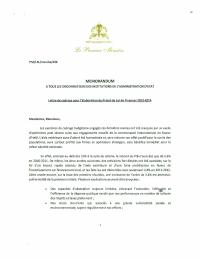
The framework letter for the FY2013-2014 draft finance law, addressed to all authorising officers of the state administration.
It opens with an unusually direct assessment of its own predecessors. The budget framing exercises of recent years were marked by excessive post-earthquake optimism, following the international community's large commitments to Haiti. External aid was humanitarian first and, without minimising its effect on survival, mainly benefited foreign firms and operators with no immediate benefit to national value added. The GDP rebound anticipated above 10% after the earthquake was 5.6% in 2010-2011. High forecasts were advanced in each of the two following years on the expectation of rapid aid impact and strong locally financed investment, and the outturn contradicted them: 2.8% in 2011-2012, and about 3.4% expected this year on first results, half the initial forecast.
The letter offers four explanations: absorption capacity that remains limited, hampering the execution, effectiveness and efficiency of public spending while tax and duty collection performance plateaus; recurrent shocks that, combined with high social and environmental vulnerability, regularly undermine effort; fragile economic structures that reduce the performance of growth policy by favouring recourse to imports; and delays in formulating and implementing several major reforms and policies.
Against that it sets two correlated ambitions the government adopts as its own, the first being a dynamic Haiti aiming to be an emerging economy by 2030, which the letter says requires the country to be open to business without delay.
Kijan pou site
Ministè Ekonomi ak Finans (MEF), 2013, Lèt kadraj pou Pwojè Bidjè, https://budget.gouv.ht/storage/app/uploads/public/5f3/f76/9bc/5f3f769bc96c2626256774.pdf