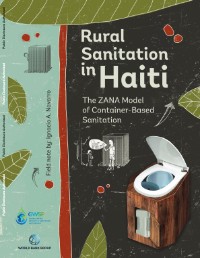
Texte Intégral du Document
Texte extrait du document original pour l'indexation.
Public Disclosure Authorized
Public Disclosure Authorized
Public Disclosure Authorized
Public Disclosure Authorized
2
© 2021 International Bank for Reconstruction and Development / The World Bank
1818 H Street NW, Washington, DC 20433
Telephone: 202-473-1000; Internet: www.worldbank.org
This work is a product of the staff of The World Bank with external contributions. The
findings, interpretations, and conclusions expressed in this work do not necessarily
reflect the views of The World Bank, its Board of Executive Directors, or the
governments they represent.
The World Bank does not guarantee the accuracy of the data included in this work.
The boundaries, colors, denominations, and other information shown on any map in
this work do not imply any judgment on the part of The World Bank concerning the
legal status of any territory or the endorsement or acceptance of such boundaries.
Rights and Permissions
The material in this work is subject to copyright. Because The World Bank encourages
dissemination of its knowledge, this work may be reproduced, in whole or in part, for
noncommercial purposes as long as full attribution to this work is given.
Please cite the work as follows: World Bank. 2021. “Rural Sanitation in Haiti – the
Zana model for container-based sanitation.” World Bank, Washington DC.
Any queries on rights and licenses, including subsidiary rights, should be addressed to
World Bank Publications, The World Bank Group, 1818 H Street NW, Washington, DC
20433, USA; fax: 202-522-2625; e-mail: pubrights@worldbank.org
Cover design: El taburete, Graphic Design
3
CONTENTS
ACKNOWLEDGEMENTS .......................................................................... 5
ABBREVIATIONS .................................................................................. 6
EXECUTIVE SUMMARY ........................................................................... 7
1. Introduction ............................................................................................................. 9
2. The ZANA Model Implementation Context ............................................................. 11
2.1 Haiti’s Sanitation Challenge ............................................................ 11
2.2 Water and Sanitation Institutional Framework ....................................... 13
2.3 Local Characteristics ..................................................................... 14
2.4 Attitudes Towards Sanitation Services ................................................ 15
3. Container-Based Sanitation Initiatives ................................................................. 16
3.1 The CBS Service Chain ................................................................... 18
3.2 The Appeal of CBS Approaches ......................................................... 18
3.3 The Challenges of CBS Approaches .................................................... 19
4. The ZANA CBS Model ............................................................................................ 21
4.1 Community Organizing ................................................................... 21
4.2 Containment .............................................................................. 26
4.3 Transport and Disinfection .............................................................. 27
4.4 Treatment and Reuse .................................................................... 28
5. Model Implementation and Outcomes .................................................................... 30
5.1 Implementation ........................................................................... 30
5.2 Costs ........................................................................................ 31
5.3 Sustainability and Scalability ........................................................... 32
5.3.1 Access to Credit ................................................................... 33
5.3.2 Institutional Support .............................................................. 33
5.3.3 Investing in Community Readiness ............................................. 34
5.4 ZANA in the context of other documented CBS approaches ....................... 34
5.5 Conclusions and Lessons Learned ...................................................... 34
REFERENCES: ............................................................................................................ 37
4
Figures
Figure 1: UNICEF/WHO JMP Sanitation Service Ladder ................................................... 10
Figure 2: Sanitation levels in Haiti 2000-2017 .............................................................. 11
Figure 3: Open defecation rates by income quintile 2007-2017 ......................................... 12
Figure 4: Location of the Gros-Morne region, in Artibonite .............................................. 14
Figure 5: Access to water and sanitation service in Artibonite (2017) ................................. 15
Figure 6: Container Based Sanitation Service Chain. ...................................................... 17
Figure 7: ZANA CBS Community Organizing Model ......................................................... 22
Figure 8: Educational material illustrating households’ commitment to adhere to CBS ............. 24
Figure 9: Educational material illustrating the ZANA dry toilet model (in Creole) ................... 26
Tables
Table 1: Potential advantages and challenges of CBS approaches in urban areas .................... 20
Table 2: Installed toilets, individuals served and compost production per year 2016-2020 ......... 30
Table 3: Costs of Implementation per community - Transport and daily pay for community
educators (2016-2020) .......................................................................................... 31
Table 4: Costs per household of a ZANA CBS toilet compared to a Pit Latrine in rural Artibonite . 32
Photos
Photo 1: Latrine in Gros Morne, 2020 ........................................................................ 16
Photo 2: Educational meetings in Gros-Morne region ..................................................... 23
Photo 3: Agreement signed by participating households to use ZANA toilets ......................... 23
Photo 4: Construction and implementation of toilets ..................................................... 25
Photo 5: ZANA Composting bin in Grande Plaine, 2016 ................................................... 28
5
ACKNOWLEDGEMENTS
This field report was written by Ignacio A. Navarro (independent consultant), in collaboration
with Gaston JEAN (founder of ZANA), Carl Christian G. Jacobsen (Senior Water Supply and
Sanitation Specialist, World Bank), Eliana Jimenez (Senior Executive Assistant, World Bank), and
the support of Véronique Verdeil (Senior Water Supply and Sanitation Specialist, World Bank)
and Farah A. Dorval (Water Supply and Sanitation Specialist, World Bank).
The authors would like to thank Melissa Barandiarán (IADB) and Sarah Mangones (IADB) for
their insights. Special thanks to Caroline van den Berg (Montan Global Consulting) for her
helpful comments and suggestions. The team greatly benefited from pertinent and thoughtful
comments and guidance from World Bank peer reviewers – Martin Gambrill (Lead Water
Supply and Sanitation Specialist), Jean Martin Brault (Senior Water Supply and Sanitation
Specialist), Ousmane Yida Yaya-Bocoum (Senior Water Supply and Sanitation Specialist),
Susanna Smets (Senior Water Specialist), Clementine Stip (Water Specialist) and David Michaud
(Practice Manager). All errors and omissions are the authors’ sole responsibility.
6
ABBREVIATIONS
AMP Agence des Micro-Projets (Micro Projects Agency)
AOG Asosyasyon Orijinè Granplenn (Indigenous’ Association of Grande Plaine)
CBS Container-Based Sanitation
CAEPA Comité d’Approvisionnement en Eau Potable et d’Assainissement
(Drinking Water Supply and Sanitation Committee)
CEFREPADE Centre Francophone de Recherche Partenariale sur l’Assainissement,
les Déchets et l’Environnement (Francophone Center for Partner
Research on Sanitation, Waste and the Environment)
DINEPA Direction Nationale de l’Eau Potable et de l’Assainissement (National
Directorate of Water and Sanitation)
HTG Haitian Gourde (Haiti’s currency)
JMP Joint Monitoring Programme
NGO Non-Governmental Organization
OREPA Office Régional d’Eau Potable et d’Assainissement (Regional Potable
Water and Sanitation Office)
SOIL Sustainable Organic Integrated Livelihoods
TEPAC Technicien pour L’Eau Potable et l’Assainissement des Communes
(Drinking Water Technicians and Sanitation for Communes)
UNICEF United Nations Children’s Fund
URD Unité Rurale Départementale (Departmental Rural Unit)
US$ United States of America Dollar
WASH Water, Sanitation, and Hygiene
WSS Water Supply and Sanitation Services
WHO World Health Organization
ZANA Zanmi Lanati (Friends of Nature)
7
EXECUTIVE SUMMARY
The United Nations’ Sustainable Development Goals include eliminating open defecation by
2030. However, less than half of the countries with high rates of open defecation are on track to
end the practice by the target date and about 673 million people continue to practice it,
especially in rural areas. In this context, Contained Based Sanitation (CBS) has emerged during
the last decade as a promising alternative in the portfolio of approaches to increase the provision
of improved sanitation services for the most vulnerable populations. CBS consists of hygienically
collecting excreta (feces and urine) in dry toilets equipped with removable containers that allow
the user to safely transport them to a disposal area for treatment and transformation into a
reusable material.
Building on the seminal study completed by the World Bank evaluating the potential of CBS
approaches in urban settings around the world, this report presents an experience implementing
a CBS system in a rural context by describing the ZANA (Friends of Nature) CBS approach,
developed and implemented in rural Artibonite, Haiti.
Despite efforts to reorganize its water and sanitation sector, Haiti still faces major challenges in
the provision of basic sanitation- especially in rural areas, where 83 percent of the country’s
extremely poor reside and 1 in 3 households still practice open defecation. Low levels of
investment in rural sanitation and high reliance on external aid for Haiti’s water and sanitation
sector have resulted in short-termed and narrowly focused sanitation solutions for rural poor.
In this context, as part of his doctoral dissertation on dry toilets and composting, a local activist
in the Gros-Morne region of the Artibonite department organized a CBS initiative with the dual
purpose of reducing open defecation and increasing environmental awareness. The ZANA
approach is centered on community organization efforts that engage and train households to
implement their own collective CBS systems. ZANA’s goal is not to provide a CBS service (like
most documented CBS approaches entail) but to empower communities to implement their own
self-sustaining CBS systems. To achieve this, ZANA developed a five-step community organizing
model based on education, community readiness assessment and accountability. Households
implementing ZANA pay for their toilets with the help of microcredits managed by a community-
based organization and provide their own covering materials. Users also go through extensive
training on how to maintain and disinfect the toilets and safely transport their waste to a
community-run compost site.
The pilot initiative started with 25 households in the community of Grande Plaine in 2015. The
World Bank got involved with ZANA in 2020 through the provision of educational materials and
support for ZANA community organizing efforts. To date, ZANA has been replicated in five other
communities in Haiti’s Gros-Morne region and currently serves 444 individuals in 75 households.
The community composting sites process around 17,800 kg of feces into 3,600 kg of compost per
year. The financial investment per toilet for each family is 6,600 Haitian Gourdes (HTG) or an
equivalent US$73 while ZANA’s average cost for education, trainings, and follow-up adds to 4,720
8
HTG or US$52 per household. Thus, our estimates suggest the total financial annualized cost per
household for a ZANA toilet (US$16).
Households that have implemented ZANA CBS seem to be highly satisfied with their systems, as
evidenced by the almost non-existent turnover. Yet, as a model, ZANA faces important scalability
challenges on three fronts. First, ZANA relies heavily on the work of volunteer promotors and the
institutional support of the local environmental NGO for marketing, trainings, and management
of microloans. Replication of the model would require partnerships with similar organizations in
the areas where ZANA wants to expand. Second, ZANA’s capacity to expand is directly
constrained by its availability of funds for microloans. Third, because the model is based on
community self-sufficiency, it can only be successfully replicated on communities that are willing
and able to commit to the process. This inherent characteristic explains the model’s success but
it also constraints its capacity for mass scalability.
Additional research and policy analyses would be required to make wide conclusions regarding
the feasibility of CBS approaches as a widespread rural sanitation strategy. Nevertheless,
promising early lessons from the ZANA experience demonstrate that CBS should be considered
as a potential tool in the arsenal of innovative sanitation strategies to reduce open defecation in
rural areas.
9
1. Introduction
The United Nations’ Sustainable Development Goals include eliminating open defecation by
2030, However, about 673 million people continue to practice it (UNICEF-WHO Joint Monitoring
Program (JMP), 2020). Data from the 2000-2017 period suggests that less than half of the
countries with high rates of open defecation are on track to end the practice by 2030. Populations
in countries still practicing open defecation remain at greater risk for disease due to
environmental degradation and contamination of water sources. These health impacts can result
in high economic costs due to financial and productivity losses (World Bank, 2019). Eliminating
open defecation and increasing access to safely managed sanitation services are associated with
cleaner environments and water sources, lower rates of disease, reduced child mortality and
stunting, increased school attendance for girls and children with disabilities, and higher quality
of life (JMP, 2020). In this context, developing approaches to help households move away from
open defecation and other unimproved services to at least basic sanitation services (Figure 1) is
urgently needed.
One of these emerging approaches providing households with improved sanitation services is
Container-Based Sanitation (CBS). CBS consists of hygienically collecting excreta (feces and urine)
in dry toilets equipped with removable containers that allow the user to safely transport them to
a disposal area for treatment and transformation into a reusable material (World Bank 2019a).
The emerging literature on CBS initiatives, implemented in several countries since 2010, points
to challenges and opportunities in urban areas. Even though nine out of 10 people in rural areas
practice open defecation, CBS experiences in rural areas are still rare compared the other
sanitation solutions.
In this context, the purpose of this report is to build on the World Bank’s efforts to evaluate the
potential of CBS sanitation alternatives by describing the implementation of a CBS system in a
rural setting. Specifically, this report describes the implementation of the ZANA model, a
homegrown CBS initiative developed and implemented in rural Haiti since 2015. The report
focuses on describing the model’s main components, its preliminary outcomes in terms of
community adoption and potential challenges for scalability and sustainability. While the scope
of this report is limited and it is early to assess the feasibility of ZANA’s model as a widespread
sanitation strategy for rural areas, early lessons from this experience are promising and highlight
important avenues for future research regarding the unique challenges and opportunities that
rural settings present for CBS initiatives as viable options for rural sanitation.
10
Figure 1: UNICEF/WHO JMP Sanitation Service Ladder
Source: UNICEF/WHO JMP. www.washdata.org/monitoring/sanitation
The report is organized in five sections. The second section describes the implementation context
in rural Haiti, specifically in the Grande Plaine region of Haiti’s Artibonite department. The third
section describes the opportunities and challenges of CBS implementation relying on the World
Bank’s recent findings on evaluating CBS systems in urban centers. The fourth section explains
the specifics of the ZANA model while the last section details some of the preliminary outcomes
and provides some early lessons learned from the experience.
11
2. The ZANA Model Implementation Context
2.1 Haiti’s Sanitation Challenge
Haiti remains the poorest country in the Latin American and Caribbean region and is among the
poorest in the world, ranking 170 (out of 189) in the Human Development Index and 122 (out of
155) in the Human Capital Index (World Bank, 2021).
1
The latest official poverty estimates
indicate about 6 million Haitians, approximately 60 percent of the population, live below the
poverty line of US$2.41 per day, and more than 2.5 million lived below the extreme poverty line
of US$1.12 per day (World Bank, 2014). Poverty and extreme poverty are highest in rural areas,
where most Haitians live, with 67 percent of the poor and 83 percent of the extremely poor (Work
Bank, 2018).
2
Though Haiti made progress in increasing access to improved water and sanitation
since 1990, it failed to achieve the 2015 Millennium Development Goals’ progress benchmarks,
stressing the need to accelerate efforts
towards the Sustainable Development
Goals and universal access by 2030.
According to estimates from the UNICEF-
WHO Joint Monitoring Program (JMP),
between 2000 and 2017, the percentage of
households with access to improved
sanitation services (at least basic or limited
service) increased from 34 to 62 percent. In
comparison, families practicing open
defecation decreased from 37 to 20 percent
during the same period. In rural areas, the
percentage of households with access to
improved sanitation services increased
from 18 to 40 percent, and the percentage
of households practicing open defecation
decreased from 52 to 34 percent (Figure 2).
While open defecation rates decreased
across all income groups between 2000 and
2017, this trend was unevenly distributed
across income groups and geographic
1
The Human Development Index (HDI) is a summary measure of human development. It measures the average achievements
in a country in three dimensions of human development: life expectancy, access to education and a standard of living. The
Human Capital Index (HCI) measures the amount of human capital that a child born today can expect to attain by age 18.
2
At the time of this report, the most recent poverty statistics for Haiti were from 2012.
Figure 2: Sanitation levels in Haiti 2000-2017
Source: JMP WASH data. www.washdata.org
12
locations. As Figure 3 shows, while overall open defecation rates for households in the poorest
income quintile decreased by about 10 percent, it only reduced marginally for households in the
poorest income quintile located in rural areas. Progress in reducing open defecation among the
other income quintiles in rural areas decreased much more rapidly.
Figure 3: Open defecation rates by income quintile 2007-2017
Source: JMP WASH data. www.washdata.org
It is important to note that the proportion of households practicing open defecation is estimated
based on surveys that inquire into their own use of sanitation services. Thus, these figures do not
reflect the percentage of homes exposed to open defecation in their communities. JMP estimates
suggest that 76 percent of Haitian households live in a community where at least one of the
members practiced open defecation (UNICEF and WHO, 2019). This percentage is likely higher in
rural areas, as overall rates for this practice are higher.
13
These precarious water and sanitation service conditions in the country contributed to the spread
of the cholera epidemic (Vibrio Cholerae, Serogroup O1, Biotype El Tor, Serotype Ogawa) just
about eight months after the earthquake that devastated Haiti in January 2010. The first cases
were found in Artibonite and Centre departments in October that year. The outbreak infected
about 820,000 people and killed 9,792 before being contained in early 2019 – with the last
confirmed case of cholera being a 5-year-old boy from I’Estère in Artibonite (PAHO and WHO,
2020).
2.2 Water and Sanitation Institutional Framework
In 2009, the Haitian Parliament voted to reform its water and sanitation sector to decentralize
Water Supply and Sanitation Services (WSS). The new institutional framework established the
“Direction Nationale de l’Eau Potable et de l’Assainissement” (National Directorate of Water and
Sanitation, or DINEPA) as a governing body, a regulatory institution, and the agency in charge of
providing water and sanitation services at the national level. It also established four offices at the
regional level (Office Régional d’Eau Potable et Assainissement, OREPA) responsible for both
urban and rural WSS. Additionally, eleven units (Unité Rurale Départementale, URD) and about
four hundred community-based organizations (Comité d’Approvisionnement en Eau Potable et
d’Assainissement, CAEPA) were created to support the OREPAs in rural areas. Further, in 2014, a
revised National Sanitation Strategy was endorsed, reflecting strategic orientations to improve
access to sanitation and a framework to monitor implementation. The Strategy provided DINEPA
with updated guidelines to increase investments in all areas of the sanitation cycle and increasing
sanitation education. It also introduced incentives to encourage households to build or improve
their own latrines or toilets (DINEPA, 2014).
Over a decade after the creation of DINEPA, the decentralization process is still not completed
and Haiti’s sanitation sector still faces severe challenges, especially in rural areas (World Bank,
2018). In addition, overall investment in WSS has been relatively low compared to financing
needs, and largely dependent on donor grants. This dependence often produces uncertainty for
long-term investments as the availability of these funds may vary widely over time. Between
2009 and 2015, DINEPA reported that about 99 percent of its budget came from donor grants
and only one percent came from government transfers (World Bank, 2018).
14
2.3 Local Characteristics
The CBS project discussed in this report took
place in the Artibonite Department (Figure 4).
In 2015, the population of Artibonite was 1.7
million (about 15 percent of Haiti’s total
population), of which approximately 57
percent lived in urban centers (Lozano-Gracia
& Garcia Lozano, 2017). About 60 percent of
the inhabitants in Artibonite are poor, and 23
percent are extremely poor (World Bank,
2018). With an area of 4,887 km
2
, Artibonite
has the largest area among Haiti’s ten
departments. The northern and eastern
regions of Artibonite are mountainous terrain,
home of the Montaignes Noires, and part of
Haiti’s Central Plateau. The southern part of
the department hosts the Chaîne des Matheux and the lowlands along the Artibonite Valley. In
the west, Artibonite’s coastline at the mouths of the L’Estère and Artibonite Rivers is flat and
swampy but rocky elsewhere. The department has much agricultural potential and produces a
large share of Haiti’s agricultural output. Still, the lack of geographical connectivity is a significant
constraint to the region’s economic and human development. Despite some efforts to build roads
and other transport infrastructure, many areas with agricultural potential in Artibonite remain
largely inaccessible (World Bank, 2020).
In 2017, only 22 percent of the households in the Artibonite department
3
had access to piped
water, mostly standpipes. Another 40 percent depended on other improved delivery methods,
and 38 percent relied on surface water or other unimproved sources (i.e., unprotected dug wells,
unprotected springs, tanker trucks). As for sanitation services: 28 percent of households
practiced open defecation, 28 percent relied on other unimproved services, 26 percent used
shared improved services, and only 18 percent had access to non-shared improved services
(Figure 5).
3
Latest JMP data disaggregated at department level (2017) do not include disaggregation by urban/rural and poverty quintile,
which are currently available only at national level.
Figure 4: Location of the Gros-Morne region, in Artibonite
15
2.4 Attitudes Towards Sanitation Services
A 2012 study conducted focus group interviews in rural Artibonite to evaluate the impact of
health education campaigns implemented to contain the cholera epidemic. It suggests that focus
group participants broadly understood the mechanisms of cholera transmission and its
connection to water purification, hygiene, and sanitation (Williams et al., 2015). However, it
found that awareness of the importance of improved sanitation methods did not necessarily
translate into action towards building latrines (Williams et al., 2015). About 40 percent of
respondents in the study reported owning a latrine, and about 13 percent reported having a
precarious type of latrine (defined as “an uncovered hole in the ground”); the remaining 37
percent reported open defecation as their sanitation alternative. When asked what families and
communities needed to build more latrines, most respondents replied external aid from NGOs
through directly providing latrines or a cash-for-work program (Williams et al., 2015). Reliance
on external assistance for sanitation services also contributed to insufficient levels of community
investments on maintenance, leading to shorter latrine lifespans (Photo 1). This phenomenon is
not exclusive to Artibonite. Thus, to encourage families and communities to build and maintain
latrines on their own, DINEPA discontinued subsidies for the construction of private latrines as
Figure 5: Access to water and sanitation service in Artibonite (2017)
Source: WASH data. www.washdata.org
16
part of the National Sanitation Strategy (World Bank, 2016). Although there are no formal
evaluations of the impact of this provision on WSS investments, it may have had the unintended
effect of decreasing overall investment in sanitation services, largely depending on uneven donor
investment strategies, especially in the country’s poorest regions.
Photo 1: Latrine in Gros Morne, 2020
Credit: Gaston Jean
17
3.Container-Based Sanitation Initiatives
CBS approaches have gained popularity and emerged as a feasible option for providing
services during the last decade. In 2018, JMP classified CBS approaches as improved sanitation
services (UNICEF & WHO, 2018 and definition in Figure 1). In 2019, the World Bank published
the results of a seminal study evaluating the potential for CBS and analyzing evidence from
several large-scale CBS initiatives implemented in urban areas around the world. Lima (Peru),
El Alto (Bolivia), Nairobi and Naivasha (Kenya), Kumasi (Ghana), Antananarivo (Madagascar)
and Cap-Haitien and Port Au Prince (Haiti) are just a few of the cases documented in the
literature regarding CBS programs. Their findings revealed the tremendous potential for CBS
as a sanitation option when conditions for implementation are favorable (World Bank, 2019a).
This section of the report relies heavily on the findings of the aforementioned study. Yet, to
date, there are no documented experience of CBS implementation in rural areas.
Figure 6: Container Based Sanitation Service Chain.
Source: Based on World Bank’s (2019a) description of CBS service models across the sanitation service chain
18
3.1 The CBS Service Chain
As described in Figure 6, the typical CBS service chain consists of six stages, from demand
creation to the reuse of processed excreta (World Bank, 2019a). The first stage, demand
creation, consists of a promotion effort designed to raise awareness on safe sanitation
practices, the benefits of CBS systems, and the roles and responsibilities of service users and
providers. In many cases, this process also involves trainings for onboarding new customers
on the guidelines for safe operation of dry toilets and hygiene practices.
The second stage, containment, typically involves a portable toilet structure made of wood or
fibrocement located inside the user’s house. Most CBS toilets have a diverting mechanism to
separate urine from feces into different containers located below a toilet seat. In addition to
the dry toilet, the containment stage requires a cover material is placed over the waste after
each use to avoid odor and flies (World Bank, 2019a). The type of covering material used –
sawdust, ash, and agricultural waste (e.g. sugar cane bagasse) –usually depends on its
availability at the CBS system site (Russel, et al., 2019). Some CBS providers supply the covering
materials as part of their service, while others rely on the user to gather their own.
When full, containers are removed from the dry toilet and exchanged for a clean one. The
excreta-filled containers are transported to a treatment site to be emptied, cleaned, and
disinfected for future reuse. The role played by the user vis-à-vis the service provider in these
stages varies widely across programs. In some CBS programs, service providers empty,
transport, and clean the containers, periodically collecting and exchanging them for clean ones
at the user’s residence. In others, users transport the full containers to drop-off collection
points where they exchange them for clean containers. (World Bank, 2019a; Russel, et al.,
2019).
Finally, the excreta collected from users in the CBS system is transported to treatment sites to
be processed into a product, such as animal feed or fuel briquettes. The most common
treatment used by CBS providers is thermophilic composting through aerobic and anaerobic
methods to obtain agricultural fertilizer (World Bank, 2019a; Russel, et al., 2019).
3.2 The Appeal of CBS Approaches
One major draw of CBS approaches is that they do not require high upfront investments for
the user in infrastructure or sanitation facilities. CBS systems are convenient in places where
sewer-based sanitation or septic tanks are not feasible due to geographic constraints (e.g.
19
floodplains, steep slopes, rocky soil). Similar to improved pit latrines, they are also convenient
where installation costs for other sanitation services are too high, such as dense urban areas
or inaccessible rural zones with precarious or non-existent water systems. CBS also offers
users safety and comfort as it provides a dry toilet inside the home in contrast to outdoor pit
latrines, which, in many cases, are shared by many families (Russel, et al., 2015; Koski-Karell,
et al., 2016). Additionally, the transformation of excreta into fertilizer, fuel, or animal feed is
one of the main appeals of CBS, because these end products are convenient for communities.
Further, service providers may sell these to recover (part of) operation and maintenance costs.
Finally, CBS approaches are gaining popularity as an ecologically-friendly alternative that
produces soil nutrients and requires less water and energy than other forms of sanitation.
Recent studies document the potential of CBS approaches to reduce greenhouse emissions at
higher levels than other waste management methods such as pit latrines. (McNicol, et al.,
2020; Ryals, et al., 2019).
3.3 The Challenges of CBS Approaches
Despite JMP’s recognition of CBS strategies as an improved sanitation service, governments in
developing countries have been timid to embrace CBS as part of their sanitation services’
portfolios (Russel, et al., 2019). This has contributed to a slow development of local regulatory
frameworks governing CBS systems and little interaction with local authorities in places where
CBS has been implemented. In addition, the documented case studies of CBS programs show
that most of these systems are funded exclusively by NGO grants (World Bank, 2019a). This is
an important threat to CBS systems’ sustainability because not only do CBS systems require
investments to get started (mainly for the transportation service and the treatment site), but
they also require funds to ensure future operation and maintenance of the CBS services. These
costs are partly covered by user fees, which in some cases may influence poor households’
decisions to leave the service or not join in the first place (World Bank, 2019a; 2019b).
Furthermore, none of the providers have been able to generate profits by commercializing the
products they produce from excreta (World Bank, 2019a). As the number of households using
CBS systems grows, they may achieve economies of scale that can help to reduce the operating
costs per individual customer. Sustainability is challenging even when local stakeholders are
included in the planning and trained to maintain a CBS system. After the 2010 earthquake, the
NGO GiveLove funded a CBS system in Haiti’s Santo Village, in Leogane (18 miles west of Port-
Au-Prince). Their planning included broad community participation and training. By 2013, 300
households used CBS, and the system successfully produced high-quality compost for reuse
(Jenkins, 2014). However, communities could not afford CBS costs when funding for the project
20
was withdrawn. By 2018, the village abandoned the project, and households switched to pit
latrines (although it was not recommended for the region given its high flooding risks) (Jean,
2018).
In summary, the documented cases of CBS in urban areas point to several opportunities of CBS
as a sanitation alternative, including resilience, sustainability, inclusiveness, customer buy-in,
efficiency, affordability, and hygiene safety (World Bank 2019a). On the other hand, some of
the challenges for CBS implementation point to dependence on external funding and
expertise, a relatively slow growth rate, lack of explicit regulations from governing structures
and limited interactions with local sanitation authorities in areas where they have been
implemented. Finally, in general, CBS systems are focused on the treatment of feces and not
with the treatment of gray water or urine, making them a partial sanitation strategy (Table 1).
Table 1: Potential advantages and challenges of CBS approaches in urban areas
Advantages Challenges
•Inclusiveness
•Resiliency
•Sustainability
•Acceptable to Customers
•Hygienically safe
•Affordability
•Efficiency
•Dependence on external funding
•Dependence on external expertise
•Relatively slow growth rate
•Lack of explicit regulation and service standards
•Partial solution
•Limited interaction with local authorities
Source: World Bank (2019a)
The appeal and challenges CBS initiatives discussed in this section suggest that densely-
populated urban areas are more likely to provide favorable conditions for the implementation
of large-scale CBS systems because they can sustain economies of scale that allow a CBS
system to become economically viable. This may explain, in large part, why most documented
CBS experiences are from urban settings. Yet, the ZANA model described in the next section
provides an example of rural communities in the Haitian Gros-Morne region of Artibonite who
have piloted small self-sustainable CBS systems.
21
4. The ZANA CBS Model
ZANA, in Creole, stands for “Zanmi Lanati” (friends of nature), a name adopted by a group of
households that pioneered the implementation of CBS in the Grande Plaine area of Gros-Morne
in 2015. ZANA was designed by Gaston Jean, a local leader and environmental activist, who
implemented the pilot program as part of a doctoral thesis on dry toilets and composting in
2015.
4
The pilot received funding from the Agence des Micro Projets (AMP)
5
and the SUEZ
Foundation. It also received technical support from the Centre Francophone de Recherche
Partenariale sur l’Assainissement, les Déchets et l’Environnement (CEFREPADE)
6
and
administrative support from the Asosyasyon Orijinè Granplenn (AOG) (Indigenous Association of
Grande Plaine), a local community-based organization that implements projects in the areas of
health, education, sustainable farming, reforestation, and environmental stewardship.
The ZANA approach involves a community-driven effort that engages and trains households to
implement their own collective CBS systems. The dual goal of the model is to reduce the practice
of open defecation in rural areas and increase environmental awareness by empowering
communities to implement their own self-sustaining CBS systems. ZANA adopters choose this
method over pit latrines and open defecation, the only other sanitation options available in
the areas where ZANA has been active.
The World Bank’s involvement with ZANA started in 2020 and was concentrated mainly in
supporting ZANA’s education efforts by financing printed materials used in community trainings
and support to community organizing (see for example Figures 8 and 9). The main features of
the ZANA approach are described below.
4.1 Community Organizing
The process of community organizing in the ZANA model consists of five phases designed to
engage, educate and train communities to implement and manage CBS systems (Figure 7).
4
The doctoral theses (Université Quisqueya / INSA de Lyon) describing the pilot program implementation , titled “ Conditions pour la mise en
place durable d’une filière d’assainissement par toilettes sèches à litière bio-maîtrisée dans les zones rurales des pays en développement.
Application au contexte haïtien,” is available at http://theses.insa-lyon.fr/publication/2018LYSEI126/these.pdf.
5
AMP is an NGO funded by the Frech Development Agency (AFD) to support small and medium-sized French international solidarity
associations (https://www.agencemicroprojets.org/qui-sommes-nous/).
6
CEFREPADE is a French NGO funded by various public and private sources to implement projects that restore and protect ecosystems in
developing countries (https://www.cefrepade.org/).
22
Figure 7: ZANA CBS Community Organizing Model
Source: Author
Phase 1. The process begins with a community organizer visiting a rural community and
creating awareness and interest for CBS. This first phase includes information sessions with
different community groups such as, but not limited to, churches, schools, trade associations,
voodoo groups, school officials, and other elected leaders (Photo 2). Informational meetings
follow a curriculum that encourages discussion of the communities’ sanitation practices, the
economic and health impacts of defecation in the open or of poorly constructed latrines, and
the functioning and benefits of CBS.
Phase 2. Communities that express interest in implementing CBS after attending informational
meetings, are invited to participate in educational meetings. These meetings are focused on
the expectations of potential CBS adopters with regards to the upfront payments and the labor
commitment required for owning and sustaining a system across the service chain, from
containment of excreta to composting in a treatment site maintained by the community.
23
Photo 3: Agreement signed by participating households to use ZANA toilets
Credit: ZANA
Phase 3. Once communities have confirmed their interest in CBS after learning about the costs
and labor commitments required to implement such systems, the community organizer does
an assessment of their readiness to implement a ZANA system. The assessment consists of
determining households’ capacity to pay for a dry toilet and its maintenance, including the
covering materials required to operate their toilet after each use and cleaning materials to
periodically disinfect the toilet and its containers. During this phase, the community organizer
also considers whether the community has sufficient resources (space, materials, and labor)
to build and maintain a composting site. Not all communities are ready to implement a
sustainable CBS system, even if they are interested. Since the ZANA model relies on
Photo 2: Educational meetings in Gros-Morne region
Credit: ZANA
24
community ownership and sustainability principles, communities lacking the necessary
resources to sustain a CBS system on their own are not encouraged to implement one.
Figure 8: Educational material illustrating households’ commitment to adhere to CBS
Source: Concept prepared with support of the World Bank.
Design: Dotzauer & Esquirol Rios – El Taburete
25
Phase 4. After it is determined that households in a community are ready and able to
implement a CBS system, each participating household signs an agreement with ZANA
designed to encourage engagement in the sustainability of the system for the benefit of the
entire community (Photo 3). Contrary to documented CBS initiatives in urban areas, in the
ZANA model, there is no external service provider. Instead, through the agreement,
households first commit to pay for the construction of the dry toilets and their maintenance
(keep the toilet clean, regularly empty the containers on a schedule established by the
community). They also commit to contribute to the safe functioning of the composting site
and to participate in training and community events regarding the CBS system (Figure 8).
Phase 5. Production of the dry toilets and construction of the composting and container
disinfection sites begin after all households have signed the agreements. The community
organizer provides training activities for building and installing toilets and the compost
platform (Photo 4). The organizer also conducts periodic follow-up visits to the community to
answer questions and observe the treatment site. The entire community organization process
can take between three and six months from the first meeting to the time families begin using
their toilets.
Photo 4: Construction and implementation of toilets
Credit: ZANA
26
4.2 Containment
As with most CBS approaches, ZANA uses dry toilets with a diverting mechanism to separate
urine from feces into different containers —a 3.8-liter jug for the former, a 20-liter bucket for
the latter — under a toilet seat supported by a 51x40X51 cm wooden structure to hold these
vessels. The jug has a 10-centimeter diameter funnel acting as the diverting mechanism (Figure
9). A spare container and bucket are required to ensure timely replacement when a container
is full.
Figure 9: Educational material illustrating the ZANA dry toilet model (in Creole)
Design: Dotzauer & Esquirol Rios – El Taburete
27
Community members build the dry toilets and install them inside their homes under the
supervision and assistance of a craftsman. Each dry toilet costs about 6,600 HTG
(approximately US$73)
7
for labor, parts, and installation. ZANA offers microloans
8
to families
to cover the cost of a toilet, which families pay in monthly payments ranging from 100-250
HTG (1.1-2.8 US$).
Households are responsible for obtaining the covering material required after each use. The
two most common materials are sawdust and sugar cane bagasse, which are available at no
cost from local carpenters or sugar cane mills. A pilot implementation estimate suggests that
a minimum of five liters of covering material per person per month is required to optimally
operate a household’s dry toilet.
4.3 Transport and Disinfection
The ZANA model currently does not include a treatment process for urine. During the training
sessions, households are advised to use it for garden irrigation (using a 1: 10 urine to water
mixture) or dispose of it in the open at a safe distance from water sources. About a third of
households in the pilot implementation group reported using urine for their gardens.
Once a week, a household member carries the feces container tightly sealed with a lid to the
treatment site. In the communities currently implementing CBS, the distance from a
household to the community treatment site ranges from 200 to 600 meters. Further, the pilot
tests showed that the average weight of a bucket after a week’s use by a household of five
members is approximately eight kilograms (kg). Once at the treatment site, the container’s
contents are emptied into the composting bin (Photo 5). The treatment site has a water source
to clean and disinfect the vessels using a two-step process. First, the container is carefully
rinsed with water; the wastewater flows towards a landscaped and vegetated infiltration zone
(preferably with plants having purification and water retention properties, like the local
“vetiver”). Once cleaned, the container is disinfected with a solution of water and chlorine (3
cups for 10 liters of water) and rinsed.
In the absence of a CBS service provider that performs the functions of collecting, transporting,
and emptying excreta-filled containers to the treatment site as is the case with CSB services
in urban areas, ZANA users perform these tasks themselves. This may pose a health risk from
potential unsafe handling of excreta, especially in rural areas where protective equipment
7
The exchange rate was 0.011 US$ for 1 HTG on May 10
th
, 2021
8
The terms of the microloans vary. They range from 6-24 months at 0-20% interest rates. The loans are administered by AOG. It is important to
note that while AOG assists with the administration of the loans it is not a financial institution. Funds for the microloans currently being used
came from the initial funding received by AMP and the Suez foundation for the pilot program.
28
(e.g., gloves, masks, etc.) may not be easily accessible. To mitigate these risks, ZANA conducts
extensive training on best practices to safely transport, empty, and disinfect containers during
its community organizing stage of implementation and on follow up visits. In addition, to
further mitigate these risks, some communities have organized themselves to schedule
deliveries on the same day of the week to make the emptying and disinfection process a
community effort where users can help each other and reinforce safety practices among
themselves.
Photo 5: ZANA Composting bin in Grande Plaine, 2016
Credit: Gaston Jean
4.4 Treatment and Reuse
Communities are trained to build and manage their own composting sites. They also receive
periodic follow up visits from ZANA to check the sites during the first months of operation.
The composting occurs in wood or bamboo bins laid directly on the ground, their bases lined
to avoid extra humidity and soil filtration. A mosquito net is placed on top to prevent insect
infestations. The bins vary in size depending on the number of users, and their capacities range
from 300 to 2000 liters.
A pilot study conducted in 2015 determined it takes about nine months for the compost to
become hygienic and achieve its best consistency and water retention qualities (Jean, et al.,
2017). Once a bin is full, it sits for three months, after which its contents are mixed before
being emptied and composted for an extra six months, without adding any materials during
this process. Thermophilic composting requires high temperatures — between 57° and 71° C,
as demonstrated by research — to destroy insect eggs (e.g. fruit flies), pathogenic organisms,
29
and undesirable weed seeds in the compost. Measurements taken during the pilot study
suggest that the compost piles achieved temperatures above 70°C and remained at
temperatures above 50°C for at least eight days in all bins. The highest temperatures were
reached in compost piles using only sugar cane bagasse as covering material. Additionally,
tests on the compost bins showed that levels of E-coli bacteria were minimal in all the samples
after one month and non-existent after nine months of composting. Levels of other pathogens
(helminth eggs, intestinal enterococci, salmonella, aspergillus) were also below the minimum
acceptable levels of pathogens mandated by DINEPA (Jean, et al., 2017).
The resulting compost belongs to the community implementing the CBS system. To date, none
of the communities have commercialized it for agriculture, and mainly employ it for household
and community gardens, to grow papaya trees locally, or for areas undergoing reforestation.
Part of the compost was also donated to a local organization implementing environmental and
agricultural projects in the region.
30
5. Model Implementation and Outcomes
5.1 Implementation
The pilot program started in 2016 with 25 households. One year later, these came together as
the ZANA group and became volunteer ambassadors for CBS in their region. AOG, which provided
initial support for the pilot program remains an integral part of CBS implementation, providing
institutional and administrative support for awareness and education activities while providing
microloans to implement the ZANA model in other communities in the Gros-Morne and Terre
Neuve regions of the Artibonite department. In addition, the ZANA CBS program entered AOG’s
environmental conservation and sustainable agriculture program. Part of the compost produced
by ZANA communities, for example, is donated to AOG’s sustainable agriculture commission.
By 2018, ZANA had added 26 more homes from the Moulin community, bringing the total number
of operating toilets to 51. In 2019, no new households entered the program, and three of them
left the CBS systems when they moved away from the region. In 2020, 26 new families from the
Eau Janvier, Ti coin, and Bellevue communities joined the program, partly as a result of intensified
community organizing efforts thanks to support from the World Bank. That year, a total of 444
individuals from 74 households were engaged in the ZANA CBS model. In addition, the CBS system
processed a cumulative estimate of 59,480 kg of feces and produced a cumulative estimate of
11,900 kg of compost (Table 2). The proportion of participating households within each
community ranged from 11 percent of households in Eau Janvier to 45 percent in Moulin.
Table 2: Installed toilets, individuals served and compost production per year 2016-2020
Year
2016 2017 2018 2019 2020
Toilets installed by year 25 24 2 -3 26
Toilets in operation (Cumulative) 25 49 51 48 74
Individuals served per year 150 144 12 -18 156
Individuals served (Cumulative) 150 294 306 288 444
Processed feces per year (Kg) 6,000 11,800 12,290 11,560 17,830
Compost produced per year (Kg) 1,200 2,360 2,460 2,310 3,570
Source: ZANA
A noteworthy outcome of ZANA’s implementation is its high level of participant retention. To
date, 95 percent of participating households are still operating their ZANA systems. While a
survey to collect direct feedback from participant households on their motivations and
satisfaction was beyond the scope of this study, anecdotal evidence suggests that ZANA
31
participants consider their toilets to be more affordable than latrines and value the comfort and
safety of having their toilets in their homes.
5.2 Costs
As explained in the previous section, part of the costs that communities need to pay to implement
the ZANA system includes the HTG 6,600 construction and installation per dry toilet, plus the cost
to purchase covering material and build the composting platform.
9
Further, ZANA assumes the
costs for the intensive community organization and education activities, including transportation
and salaries for community educators. Overall, each community may need up to 24 meetings
spanning a period of three to six months to be fully organized for implementation. Thus, a
community of 25 adopters would need to invest approximately HTG 118,000 (about US$1,300),
or a significant amount of HTG 4,720 (US$52) per household. This amount includes the average
price for transportation and daily pay per educator. Table 3 details these costs below.
Table 3: Costs of Implementation per community - Transport and daily pay for community educators (2016-2020)
Activity Meetings #
Transport
costs (HTG)*
Meeting
Facilitator
(HTG)**
Total costs of
community
organization
(HTG)
Meetings with community leaders 3 6,000 7,500 13,500
General information meetings (with
interested communities)
3 6,000 7,500 13,500
Awareness meetings for selected
households
6 12,000 15,000 27,000
Toilet manufacturing workshop 4 8,000 20,000 28,000
Training in the composting process 4 8,000 10,000 18,000
Composting platform manufacturing
workshops
2 4,000 5,000 9,000
Distribution of toilets microcredit
explanation and signature of agreement
1 2,000 2,500 4,500
Follow-up meeting after implementation 1 2,000 2,500 4,500
Total cost per community (HGT) 48,000 70,000 118,000
Total cost per household (HGT)
1,920 2,800 4,720
Source: ZANA.
* Average transport costs are estimated at 2,000 HTG. Covering a round trip (15 km away) from the educator’s residence.
**Average costs for are estimated at 2,500HTG per day for community educators and 5,000 HTG for master builders
9
This estimate does not include the costs of the microloan many households use to finance the dry toilets.
32
The total expenses of community organizing, materials and toilet manufacturing gives a total of
11,320 HTG (US$125) per household to implement ZANA CBS. Assuming a 10-year life span and
a five percent discount rate, this represents an annualized cost of about US$16. For comparison
purposes, estimates based on UNICEF data suggest the annualized cost per household of a typical
latrine installed in the area where ZANA operates is about US$29 (Table 4).
Table 4: Costs per household of a ZANA CBS toilet compared to a Pit Latrine in rural Artibonite
ZANA CBS
Cost per
household
Pit Latrine
Cost per household
Materials and manufacturing (HTG)* 6,600 7,800
Community organizing (salaries and transport
costs for educators, meetings etc.) (HTG)**
4,720 12,890
Total cost (HTG) 11,320 20,690
Total cost (US$) 125 227
Annualized cost (US$) 16 29
Source: ZANA and UNICEF
* These costs do not include financing costs (microloans)
** A potential reason to explain the difference in cost for community organization might be the related to the involvement
of international experts, while the ZANA model only involves locals.
It is important to note that Table 4 only presents the financial costs of the initiative, and do not
include economic costs and benefits associated with latrines or ZANA toilets, including on the
one hand, potential, though limited in the ZANA model, health and contamination risks related
to the container transportation and emptying, and on the other hand, positive externalities such
as the perspective of ending open defecation in the CBS communities. While the estimation of
all economic costs involved was beyond the scope of this study, it represents an important area
for future research on the feasibility of CBS approaches in both urban and rural areas.
5.3 Sustainability and Scalability
As Table 1 shows, the number of dry toilets installed, while small compared to large CBS initiatives
in urban areas, tripled (from 25 to 74) during the 2016-2020 period. Remarkably, virtually all
families that signed up in 2016-2018 continued to use their CBS systems by 2020. This underlines
that the ZANA systems experience low turnover and high self-reliance once implemented, which
is not surprising because sustainability is one of the model’s hallmarks. Only communities willing,
ready, and with sufficient resources are encouraged to implement such systems. Community
selection and training have been successful so far, demonstrating the importance and success of
the community organizing aspect of the ZANA model.
33
Scalability is one of the main challenges for CBS systems, and the ZANA model is not an exception.
The model has been replicated successfully beyond the pilot in neighboring communities of the
commune of Gros Morne. Still, future expansion and replication in other regions will face three
potential barriers: access to microcredits, institutional support that would accommodate scale
up to other communities, and community readiness.
5.3.1 Access to Credit
As explained in the previous section, households must cover the cost of a dry toilet in cash or
credit. Most families using CBS systems require microloans that have so far been administered
by the NGO AOG, while the payments for existing loans finance additional ones in other
communities. Access to credit is constrained by the availability of funds and does not allow to
offer microcredits to all households of a community. Additionally, not all new households would
require the same loan terms.
However, assuming a conservative scenario where 25 households would cover the costs of
implementation through microloans, a rather limited credit of about HTG 165,000 (about
US$1,825 at May 2021 exchange rate) would be needed to develop a system. It could take less
than two years to recover this amount at current interest and default rates.
10
Further analysis
would be needed to assess the interest of potential microlenders to invest into such systems.
5.3.2 Institutional Support
During the past four years, ZANA expanded the model to neighboring communities without
needing to cover the total costs reflected in Table 2, thanks to ZANA members and AOG educators
who volunteered their time and, in many cases, paid their travel costs.
The lack of donor funding and sole reliance on volunteers has proven to be a significant challenge,
as they require training to become educators. Further, many of them move away from their
communities to look for employment after being trained, typically moving away to the Dominican
Republic, leaving the organization with few educators for the intensive community organizing
efforts required by the ZANA approach.
Hence, ZANA’s expansion will depend on the size of its volunteer group and the mobilization of
funds to pay salaries and travel costs to recruit and retain new educators. This would also require
the setup of an organization that would replicate ZANA founder’s and have to ability to train and
organize these volunteers. To date, AOG has provided a large share of this institutional support.
10
This estimate assumes a scenario where the 25 households finance the full cost of a toilet and its installation (6,600 HTG) at
20 percent simple interest over the life of the loan at 24 months and a 10 percent default rate.
34
However, model replication in other parts of the country would need the institutional
infrastructure of a community-based organization like that supplied by AOG.
5.3.3 Investing in Community Readiness
The lack of donor funding and sole reliance on volunteers has proven to be a significant challenge,
as they require training to become educators. Further, many of them move away from their
communities to look for employment after being trained, typically moving away to the Dominican
Republic, leaving the organization with few educators for the intensive community organizing
efforts required by the ZANA approach.
5.4 ZANA in the context of other documented CBS approaches
Ample contextual differences impede a direct comparison between urban and rural CBS
sanitation models. However, the ZANA experience suggests that this rural CBS system shares
many of the same opportunities and challenges experienced by other CBS systems implemented
in urban areas (Table 1).
ZANA’s community organizing model has ensured that households adopting the model build
sustainable and resilient systems that are highly valued by them in terms of their affordability,
comfort, and safety over other available methods of sanitation — as is the case with other
documented urban CBS systems. However, while ZANA implements self-sustaining community-
ran systems that once implemented could subsist in the absence of ZANA, the model’s capacity
to be replicated in other communities has been limited and required external financing and
technical support. In addition, and similar to its urban counterparts, the model has been
implemented with little direct involvement from local sanitation authorities and has not included
steps for the treatment of urine or gray water. This suggests that promoting the development of
local policies and regulatory frameworks that foster CBS systems in urban areas may be beneficial
for advancing CBS implementation for rural areas as well.
5.5 Conclusions and Lessons Learned
Between 2000 and 2017, Haiti substantially decreased the practice of open defecation in rural
and urban areas. Yet, one out of five Haitian households continue this practice, particularly in
rural areas. The most impoverished rural families have the highest rates of open defecation, and
there has been little progress in this regard during the past decade.
35
DINEPA’s concentration of WASH investment in urban areas, still limited institutional capacity of
the OREPAs, and the sector’s heavy reliance on external funding result in a lack of progress in
ending open defecation in these areas. In the Artibonite department, the epicenter of Haiti’s
cholera epidemic in 2010, the lack of accessibility has further hindered investments in improved
sanitation. Those investments were focused almost exclusively on building uncovered pit latrines
that received little follow-up or maintenance. Usually, communities abandoned the latrines once
these filled up and waited for their local OREPA or an NGO donor to construct new ones.
The purpose of this study was to build on the World Bank’s efforts to evaluate the potential of
CBS sanitation alternatives by describing the implementation of a homegrown CBS initiative
developed and implemented in rural Haiti. The ZANA model emerged as a locally-designed CBS
alternative for rural households in the area of Gros-Morne region of the Artibonite department
and has allowed them to be in charge of their own improved sanitation systems. ZANA engages
communities and trains them to build self-sustaining CBS systems. During its first five years of
operation (2016-2020), the ZANA approach was able to provide 444 people with an improved
sanitation solution and replicated its approach in five different communities in the Gros-Morne
region. ZANA was able to retain all its customers and ensure high levels of community
engagement.
Two factors largely determined this success: extensive community training and detailed
assessments for implementation readiness. Firstly, as is shown in the literature, community buy-
in into sanitation and hygiene solutions requires raising awareness and education on sanitation
alternatives and community ownership and self-reliance to ensure the sustainability of the CBS
systems. Secondly, ZANA’s success in developing sustainable systems relies on its thorough
approach to make sure that only communities that are willing, able, and ready will implement a
CBS system. This may adversely affect the ability of the ZANA approach to replicate the model on
a larger scale. However, this challenge is expected in any sanitation program in Latin America and
the Caribbean and other areas around the world where poor people lack access to sanitation
solutions. Further, it does not take away ZANA’s success in sustainably reducing open defecation
by providing a safe and hygienic sanitation service in the participating communities. Finally, ZANA
also educates and empowers communities to collectively take care of their environment using a
culturally appropriate community organizing method. This empowerment process impacts
communities, allowing them to build and operate their CBS system, but it is also likely to have
positive spillover effects on improving community lives and environment.
It is early in the process, and beyond the scope of this report, to evaluate the feasibility of large-
scale investments in CBS in rural areas using ZANA’s example. Moving forward, we believe
additional research is needed on three fronts: First, it will be important for future research to
36
evaluate both individual and community-level health benefits and risks of community-ran CBS
systems when compared to latrines and open defecation. In addition, additional case studies that
highlight household and community factors that determine the successful adoption of CBS
systems in rural areas is needed to understand how CBS can be scaled up as regional strategy.
Finally, the literature on cost benefit analyses evaluating CBS vis-a-vis other sanitation
alternatives is still limited for urban areas and, to our knowledge, non-existent for CBS in rural
areas. These are critical areas of research that could further inform NGO and public sanitation
agencies’ future investments in CBS strategies for reducing open defecation and making progress
towards the 2030 Sustainable Developing Goals.
Within the large scheme of sanitation strategies CBS is still an emerging field. More studies that
highlight the challenges and opportunities of CBS approaches, especially in rural areas are
needed. Yet, as described in this report, the Haitian communities that have embraced the ZANA
approach over other sanitation alternatives suggest that CBS systems can be attractive to rural
communities and should be considered as part of the repertoire of potential strategies for
improving sanitation for the rural poor.
37
REFERENCES:
Asosyasyon Orijinè Granplenn (AOG) (2021). Nos Actions. Retrieved April 2021 from:
http://www.aoggranplen.org/
Celasun, Oya and Jan Walliser, 2007. Predictability of Aid: Do fickle donors undermine economic development.
Paper presented at the 46
th
Panel Meeting of Economic Policy in Lisbon October 19 – 20, 2007.
DINEPA (2014) Stratégie Nationale de l’Assainissement. Retrieved from :
https://www.dinepa.gouv.ht/strategie-nationale-de-lassainissement/
Jean, G., Bayard, R., Lacour, J., & Naquin, P. (2017). Assainissement par toilettes sèches à litière biomaîtrisée
Premiers résultats d’une expérimentation menée en milieu rural (Grande Plaine, commune de Gros-
Morne, Haïti). Déchets Sciences et Techniques [En ligne] https://doi.org/10.4267/dechets-sciences-
techniques.3618.
Jean, G. (2018). Conditions pour la mise en place durable d’une filière d’assainissement par toilettes sèches à
litière bio-maîtrisée dans les zones rurales des pays en développement. Application au contexte haïtien
[Thesis]. Retrieved from http://theses.insa-lyon.fr/publication/2018LYSEI126/these.pdf
Jenkins, J. (2014). Thermophilic composting as a sanitation alternative: Givelove.Org Project, Santo Village,
Leogane, Haiti - A case study [PDF]. Retrieved from
https://humanurehandbook.com/downloads/Santo_Paper.pdf
Koski-Karell, V., Farmer, P. E., Isaac, B., Campa, E. M., Viaud, L., Namphy, P. C., Ternier, R., & Ivers, L. C.
(2016). Haiti’s progress in achieving its 10-year plan to eliminate cholera: Hidden sickness cannot be
cured. Risk Management and Healthcare Policy, 9, 87–100.
Lozano-Gracia, Nancy; Garcia Lozano, Marisa. 2017. Haitian Cities: Actions for Today with an Eye on Tomorrow.
World Bank, Washington, DC.
McNicol, G., Jeliazovski, J., François, J.J., Kramer, S. & Ryals, R. (2020). Climate change mitigation potential in
sanitation via off-site composting of human waste. Nature Climate Change, 10, 545–549.
Pan American Health Organization (PAHO) and World Health Organization (WHO) (2020) Haiti reaches one year
free of Cholera [Press Release] Retreived from: https://www.paho.org/en/news/23-1-2020-haiti-reaches-
one-year-free-cholera
Russel K, Tilmans S, Kramer S, Sklar R, Tillias D, Davis J. (2015) User perceptions of and willingness to pay for
household container-based sanitation services: experience from Cap Haitien, Haiti. Environ Urban. 2015
Oct;27(2):525-540.
Russel, K., Hughes, K., Roach, M., Auerbach, D., Foote, A., Kramer, S. & Briceno, R. (2019). Taking container
based sanitation to scale: Opportunities and challenges. Retrieved from:
https://www.frontiersin.org/articles/10.3389/fenvs.2019.00190/full
Ryals, R., McNicol, G., Porder, S., & Kramer, S. (2019). Greenhouse gas fluxes from human waste management
pathways in Haiti. Journal of Cleaner Production, 226, 106-113.
Sklar, R., Faustin C. (2017) Pit Latrines or Container Based Toilets?: A Cost-Benefit Analysis comparing two
38
approaches to improving sanitation access in urban areas of Haiti. Haiti Priorise, Copenhagen Consensus
Center. License: Creative Commons Attribution CC BY 4.0.
United Nations Children’s Fund (UNICEF) and World Health Organization (WHO), (2018). Core questions on
drinking water, sanitation and hygiene for household surveys: 2018 update. New York.
United Nations Children’s Fund (UNICEF) & World Health Organization (WHO). (2019). Progress on household
drinking water, sanitation and hygiene: 2000-2017. New York, 2019
United Nations Children’s Fund (UNICEF) & World Health Organization (WHO). (2020). State of the world’s
sanitation: An urgent call to transform sanitation for better health, environments, economies and societies
[PDF]. Retrieved from https://washdata.org/sites/default/files/2020-11/UNICEF-WHO-state-of-the-
worlds-sanitation-2020.pdf
Williams, H.A., Gaines, J., Patrick, M., Berendes, D., Fitter, D., & Handzel, T. (2015). Perceptions of health
communication, water treatment and sanitation in Artibonite Department, Haiti, March-April 2012. PLoS
ONE, 10(11).
World Bank. (2014). Investing in people to fight poverty in Haiti: Reflections for evidence-based policy making
(English). Washington, D.C.: World Bank Group.
World Bank (2016). Building Toilets and Changing Behaviors Can Save Lives in Haiti. World Bank/News. May
25
th
, 2016. Retrieved June 2021 from:
https://www.worldbank.org/en/news/feature/2016/05/25/building-toilets-and-changing-behaviors-can-
save-lives-in-haiti
World Bank. (2018). Looking Beyond Government-Led Delivery of Water Supply and Sanitation Services: The Market
Choices and Practices of Haiti’s Most Vulnerable People. WASH Poverty Diagnostic. World Bank,
Washington, DC.
World Bank. (2019)a. Evaluating the Potential of Container-Based Sanitation.
World Bank, Washington, DC.
World Bank. (2019)b. Evaluating the Potential of Container-Based Sanitation: SOIL in
Cap-Haitien, Haiti. World Bank, Washington, DC.
World Bank. (2020). Haiti - Rural Accessibility and Resilience Project: Additional financing (English).
World Bank. (2021). The World Bank in Haiti: Overview. Retrieved from
https://www.worldbank.org/en/country/haiti/overview
World Bank Group. (2019). Delivering Rural Sanitation Programs at Scale, with Equity and Sustainability A Call to
Action: Rising up to the SDG Ambition. Retrieved from
https://pubdocs.worldbank.org/en/704951570737336194/Call-to-Action-Rural-Sanitation-Oct-10-
2019.pdf