Description Complète
Moniteur saisonnier de FEWS NET pour Haïti, août 2025, daté du August 28, 2025. Les pluies ont été contrastées dans le pays : inférieures à la moyenne dans le sud d'Haïti, supérieures à la moyenne dans le nord et moyennes dans les zones centrales. Des conditions de NDVI supérieures à la moyenne prévalaient dans les zones de production agricole. Le moniteur suit la saison en cours : cumuls pluviométriques rapportés à la moyenne de long terme, état de la végétation à partir du NDVI satellitaire, et ce que les deux impliquent pour les semis, le développement des cultures et la récolte. La date de couverture clôt la fenêtre de 30 jours couverte.
Texte Intégral du Document
Texte extrait du document original pour l'indexation.
HAITÍ Seasonal Monitor
August 28 2025
Mixed rainfall distribution in August
Key messages
●
Below-average rainfall reported in the
southern part of Haiti.
●
Above-average rainfall
northern part of Haiti.
●
Above-average NDVI conditions prevailing
across crop production areas.
reported
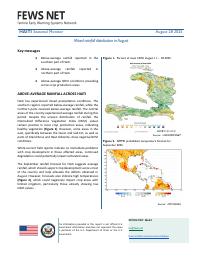
Figure 1. Percent of mean NDVI August 11 – 20, 2025.
in
ABOVE-AVERAGE RAINFALL ACROSS HAITI
Haiti has experienced mixed precipitation conditions. The
southern regions reported below-average rainfall, while the
northern parts received above-average rainfall. The central
areas of the country experienced average rainfall during this
period. Despite the uneven distribution of rainfall, the
Normalized Difference Vegetation Index (NDVI) values
remain positive in most crop production areas, indicating
healthy vegetation (Figure 1). However, some areas in the
east, specifically between the Ouest and Sud-Est, as well as
parts of Grand'Anse and Haut Arbonite, show negative NDVI
conditions.
Source: USGS/FEWSNET
Figure 2. NMME probabilistic temperature forecast for
September 2025.
While current field reports indicate no immediate problems
with crop development in these affected areas, continued
degradation could potentially impact cultivated areas.
The September rainfall forecast for Haiti suggests average
rainfall, which should support crop development across most
of the country and help alleviate the deficits observed in
August. However, forecasts also indicate high temperatures
(Figure 2), which could negatively impact crop areas with
limited irrigation, particularly those already showing low
NDVI values.
Source: CPC/NOAA
FEWS NET Haiti
The information provided in this report is not official U.S.
Government information and does not represent the views
or positions of the U.S. Department of State or the U.S.
Government.
lac@fews.net
fews.net/latin-america-and-caribbean